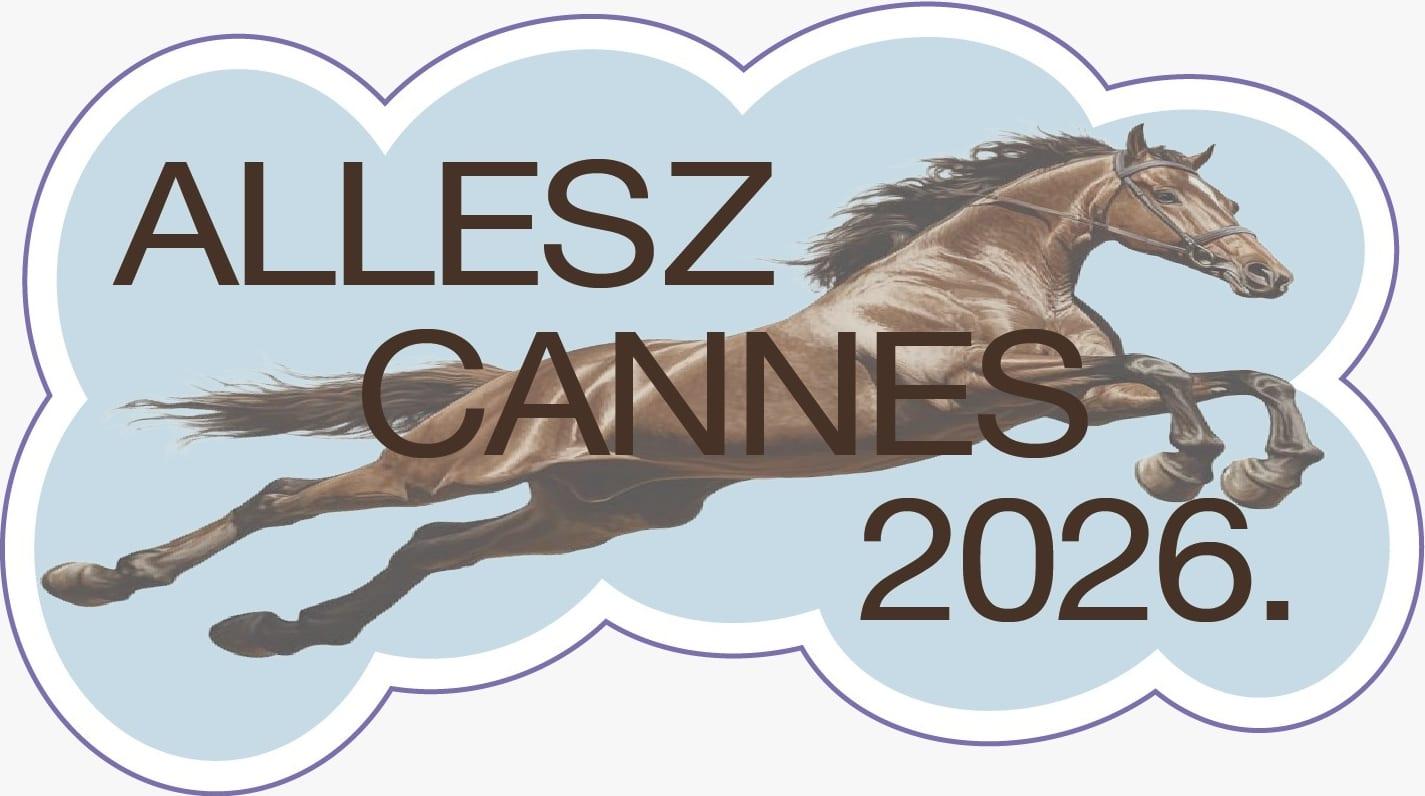
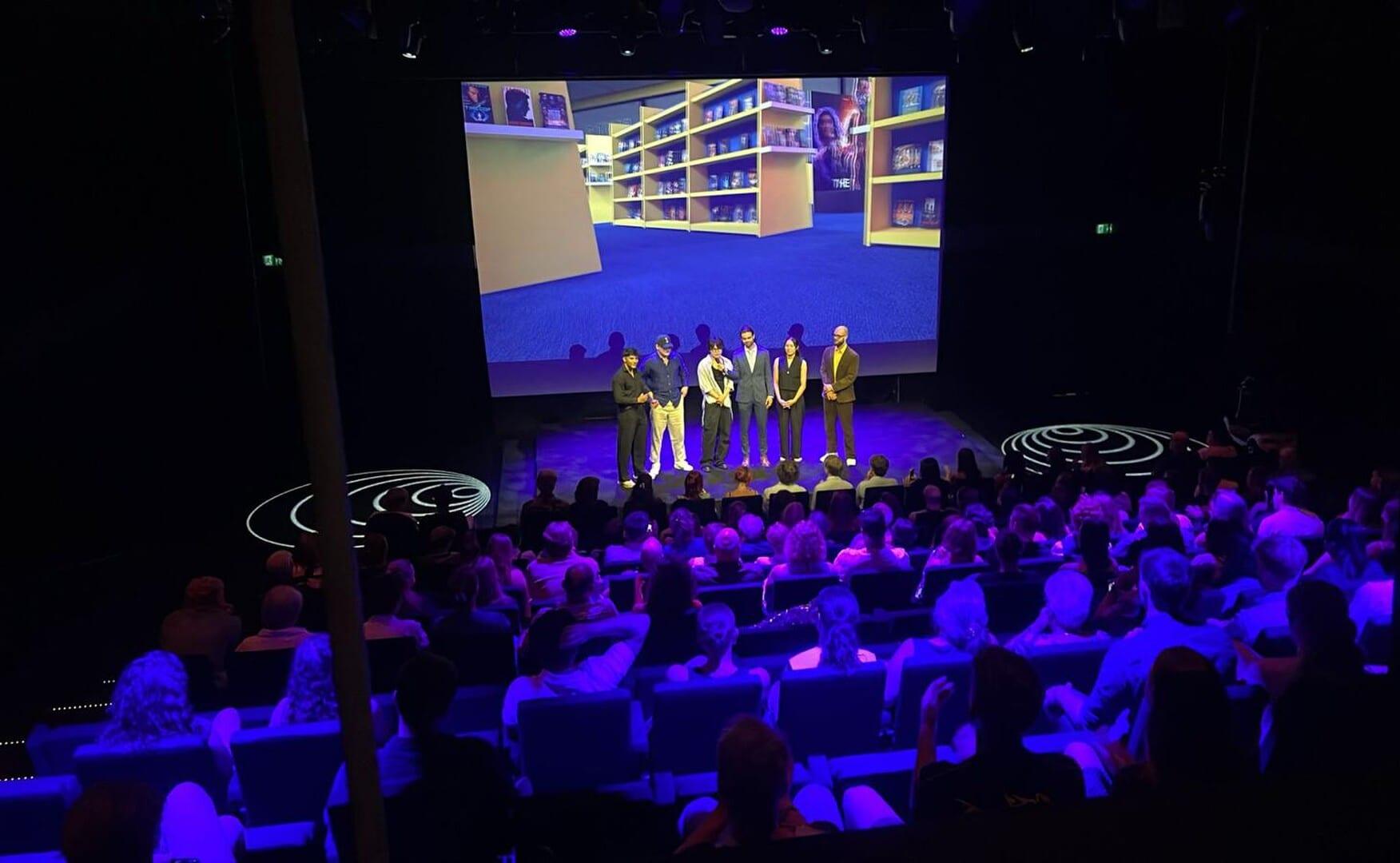
The Allesz Cannes Film Festival came about when two friends reached out to creative people within their network to see who might be interested in making a film or submitting a commercial, with the goal of putting together a DIY film night. This ultimately resulted in seven films, nine advertisements, and a sold-out cinema screening.
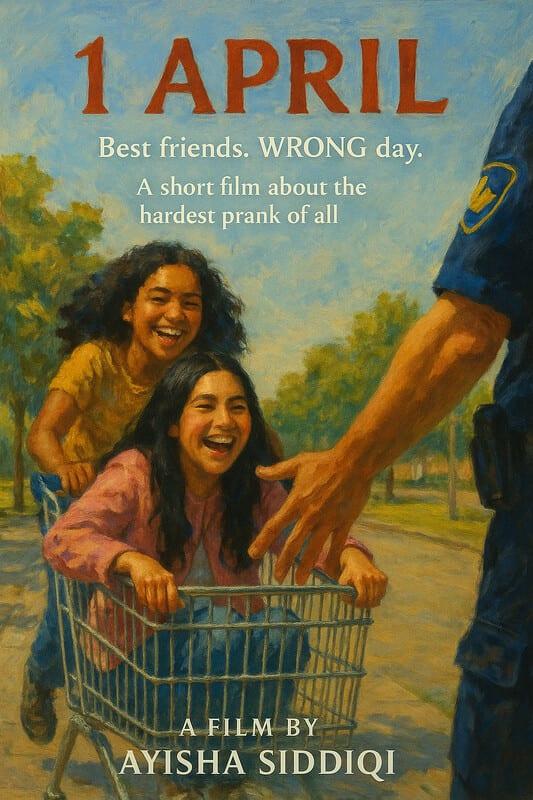
On April 1st, fourteen-year-old Alicia is determined to spend an unforgettable day full of pranks with her exuberant best friend Soenita. Behind the laughter and teenage chaos, Alicia hides a painful secret — this will be her last day. As their games grow bolder, the line between fun and truth begins to blur. That one ‘joke’ changes their friendship forever.
It is September 1883. Vincent van Gogh boards a train from The Hague to Hoogeveen, in the province of Drenthe—in search of fresh inspiration. His fellow painters had urged him: “Go to Drenthe; it’s beautiful there! Go and create landscape art.”
Upon arriving in Drenthe, he sets out across the countryside with renewed spirit and grand ambitions.
What follows is a melancholic road trip through Drenthe, filled with remarkable encounters.
An esoteric journey exploring art, self-discovery, realism, and ancient mysticism.
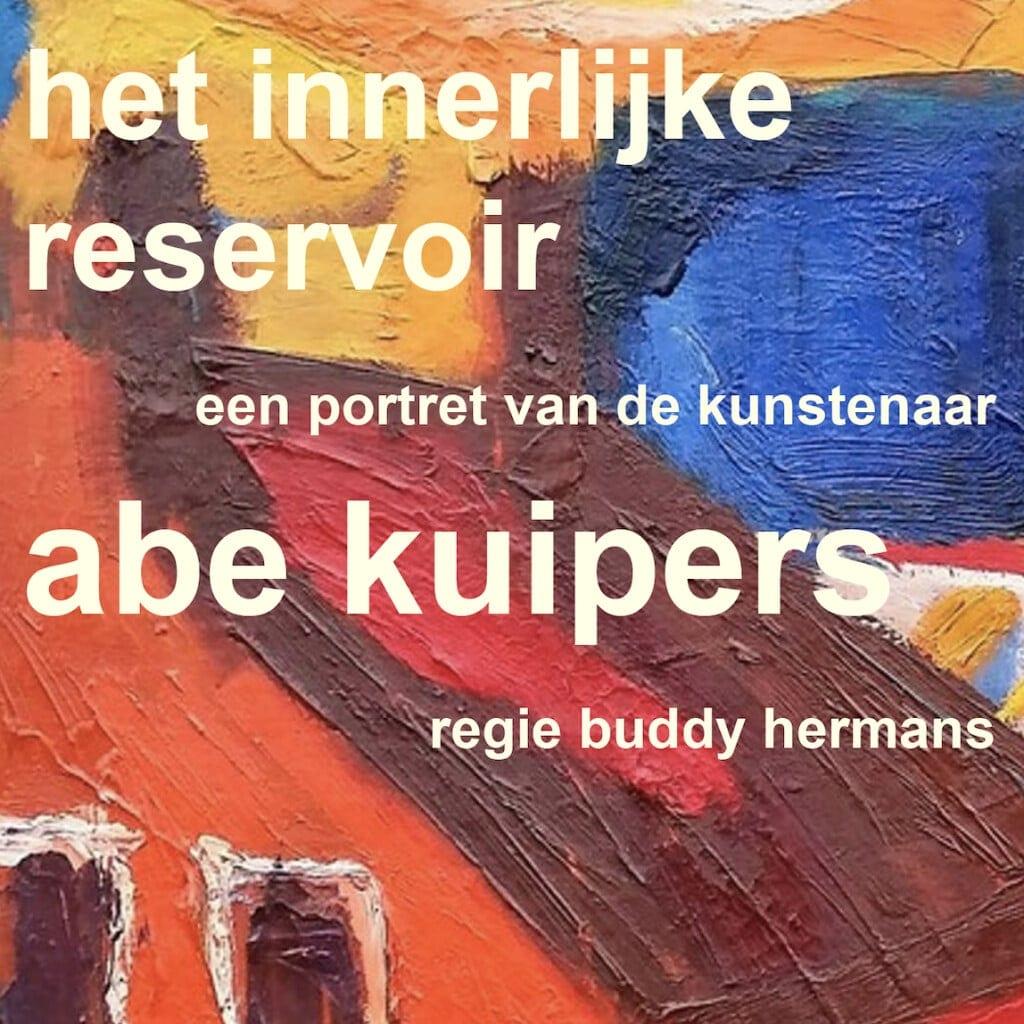
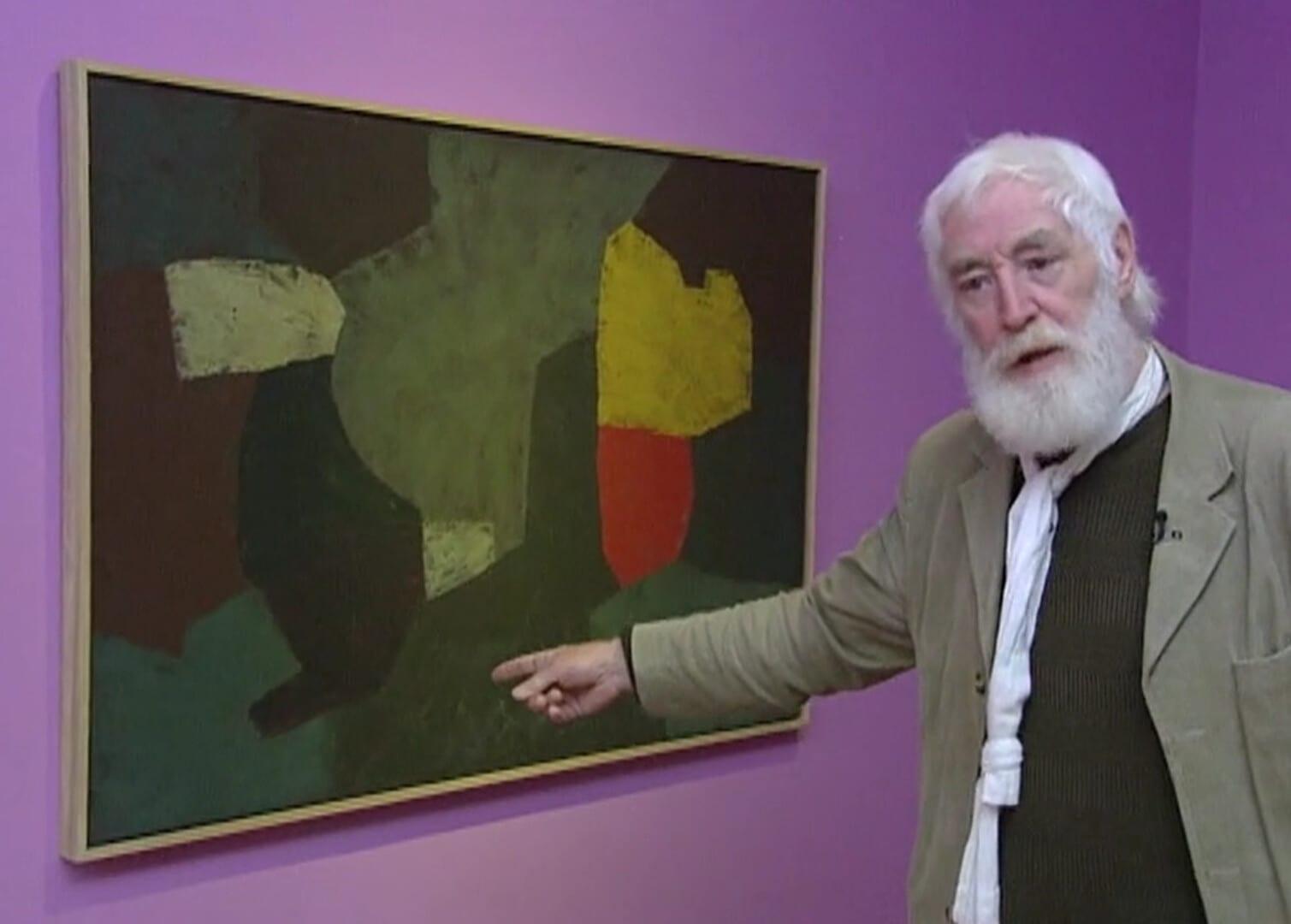
Abe Kuipers (1918)—a painter, graphic artist, filmmaker, and visual artist from Groningen—occupies a unique position in post-war painting. Although he was briefly a member of the artists' collective *Het Narrenschip* ("The Ship of Fools")—founded in 1950 by three former members of the *De Ploeg* group—he spent the majority of his career working independently. Kuipers’ body of work is marked by distinct shifts or phases, which he intentionally initiated to ensure his ongoing artistic evolution. Following his graduation from the School of Applied Arts (later the Minerva Academy) in 1941, he spent the remainder of the Second World War in hiding in the Noordoostpolder. Themes related to the war and childhood memories are significant elements in his work. He eventually left the city of Groningen for Stitswerd, seeking a setting better suited for painting the open landscape. Later, he moved to Donderen, where he focused on graphic design and film—a period during which he drew greater inspiration from collage art and Dadaism. In the documentary about Abe Kuipers, titled *Het innerlijke reservoir* ("The Inner Reservoir"), the artist reflects on his craft and his development as a painter.
Thomas Nauw is a director, filmmaker and co-owner of CFX, which he runs together with his brother Maarten, a VFX artist. What started with YouTube videos grew into a film company where they constantly experiment with new techniques and trends. Their motto: “Not under the wave, but on top of it.” Moving with the times and discovering what new developments make possible.
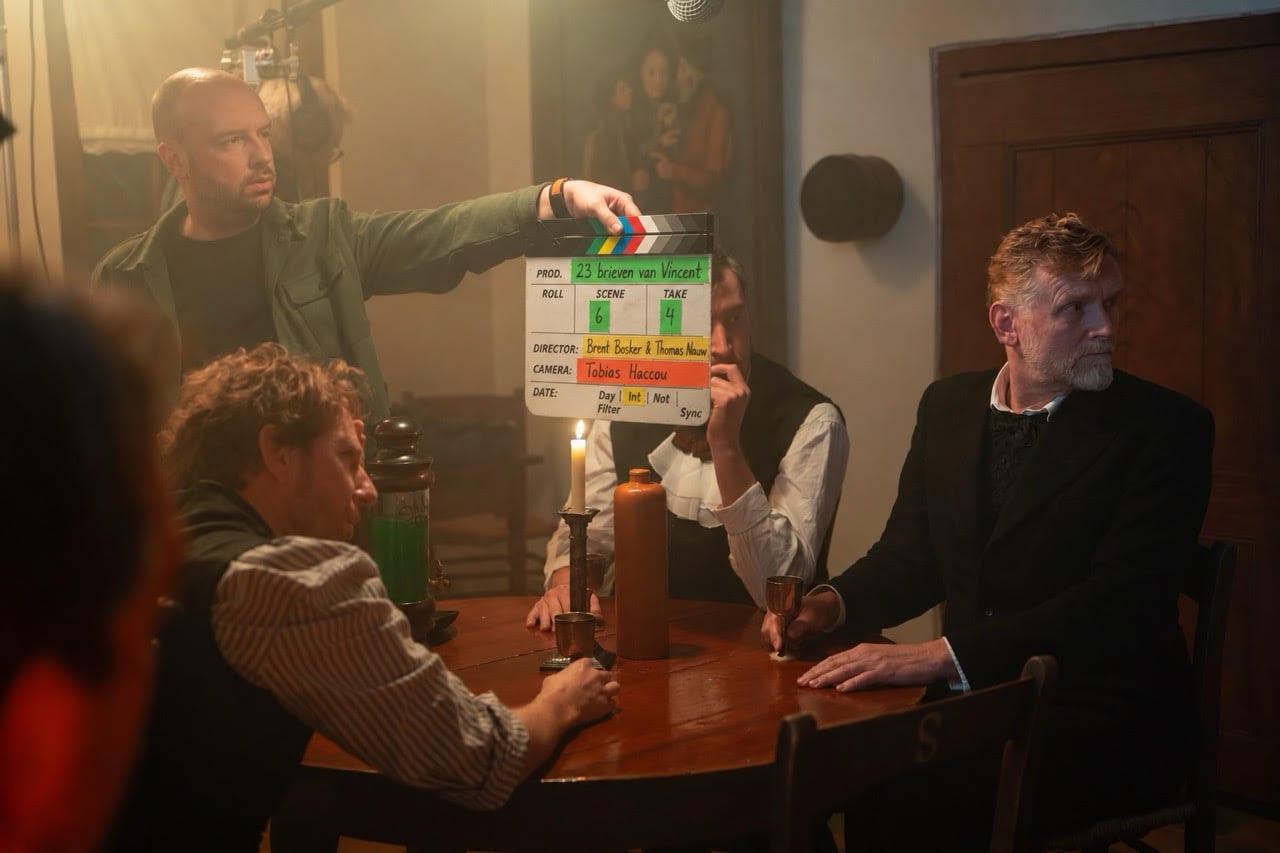
Their credits include the internationally award-winning film Grenzeloos Verraad, available on Netflix, and 23 Brieven van Vincent, now showing in cinemas. The latter tells the little-known story of Vincent van Gogh during his time in Drenthe in 1883, based on the 23 surviving letters he wrote during that period. Filming took no less than three years. Working with a limited budget, they used AI to make extensive visual effects possible in post-production.
In this Beeldcoalitie knowledge session, Thomas takes you through their journey from YouTube to the big screen. Using clips from 23 Brieven van Vincent, he shows how AI supported them in post-production and how new techniques are opening up new possibilities for filmmakers today.
The Allesz Cannes Film Festival came about when two friends reached out to creative people within their network to see who might be interested in making a film or submitting a commercial, with the goal of putting together a DIY film night. This ultimately resulted in seven films, nine advertisements, and a sold-out cinema screening.
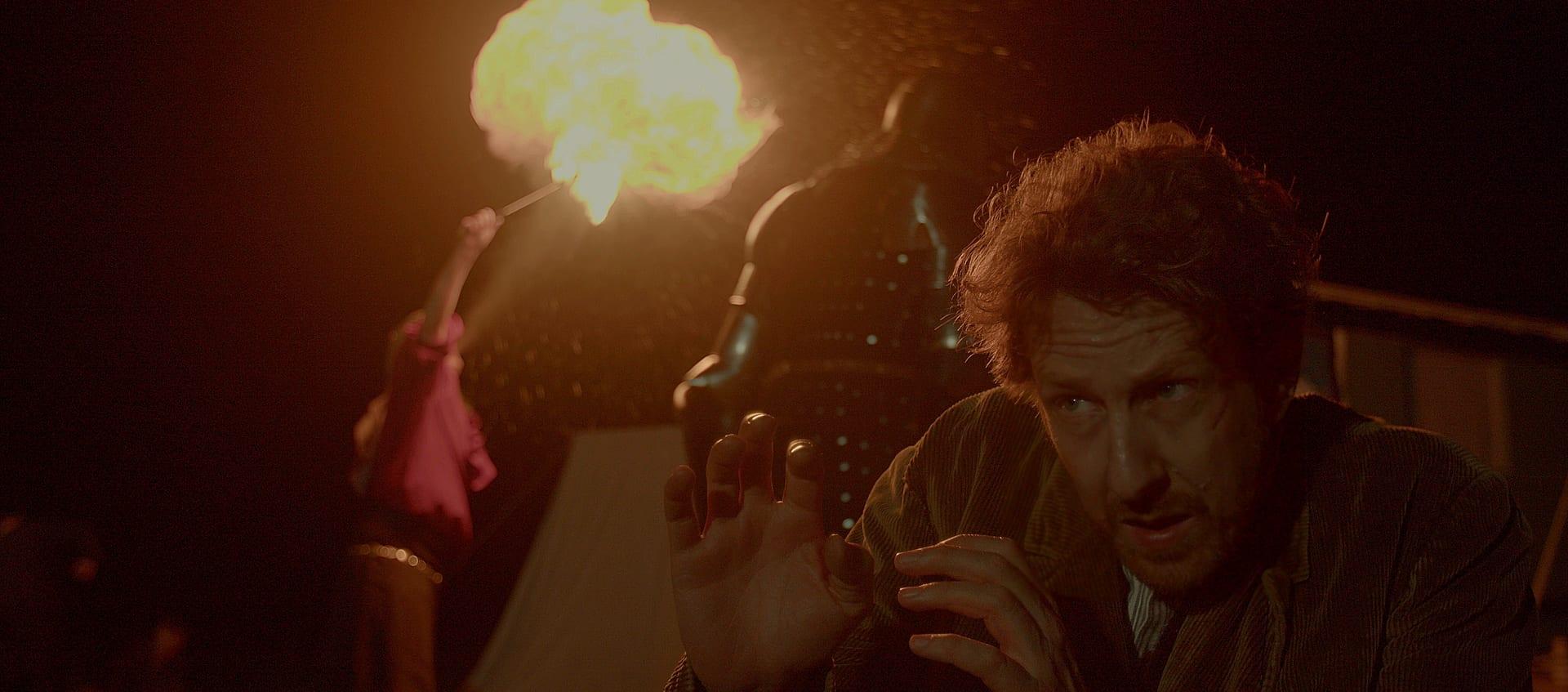
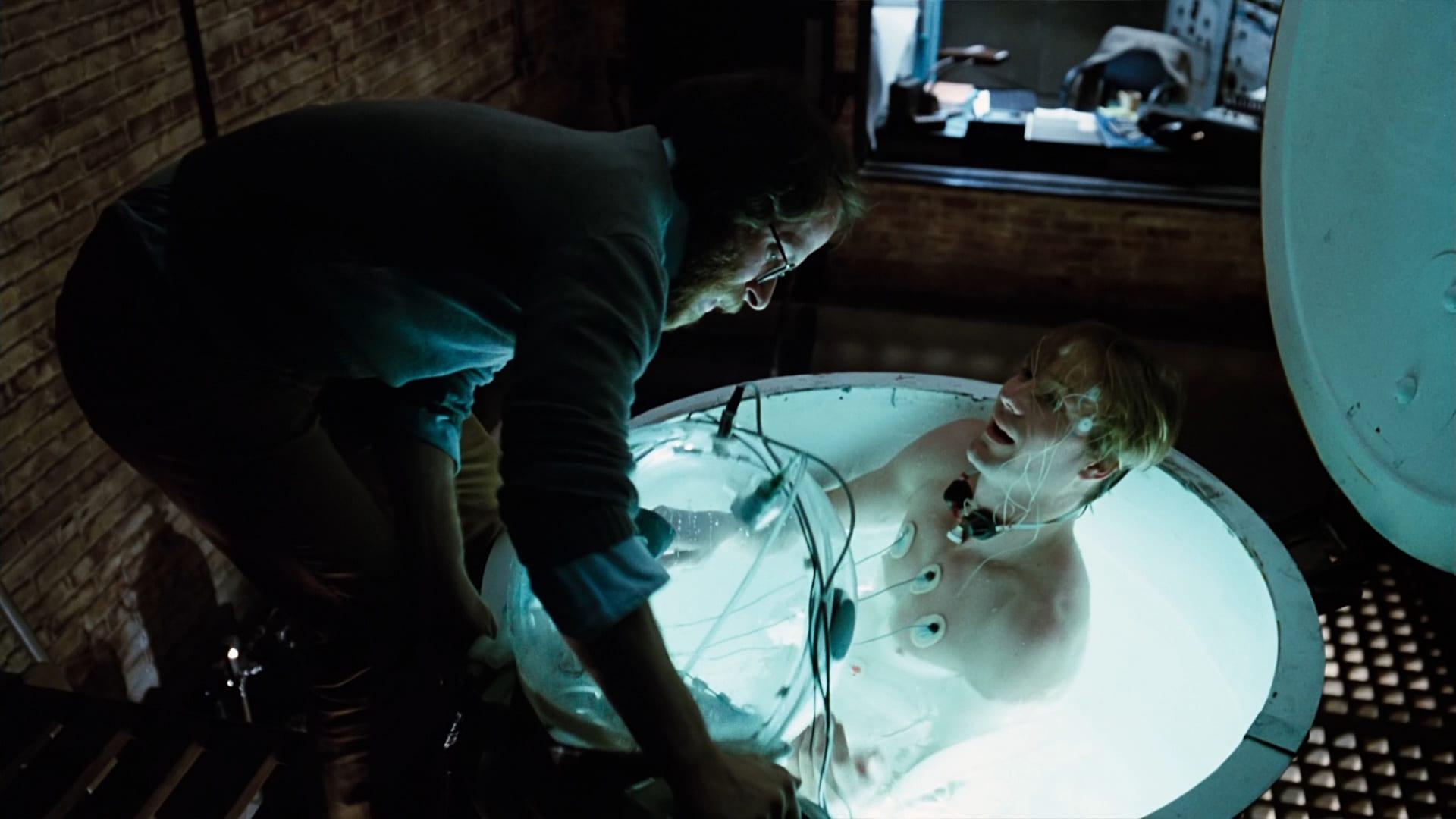
Eccentric psychophysiologist Dr. Edward Jessup uses sensory deprivation isolation tanks combined with powerful psychoactive drugs to explore the limits of human consciousness and genetic memory.
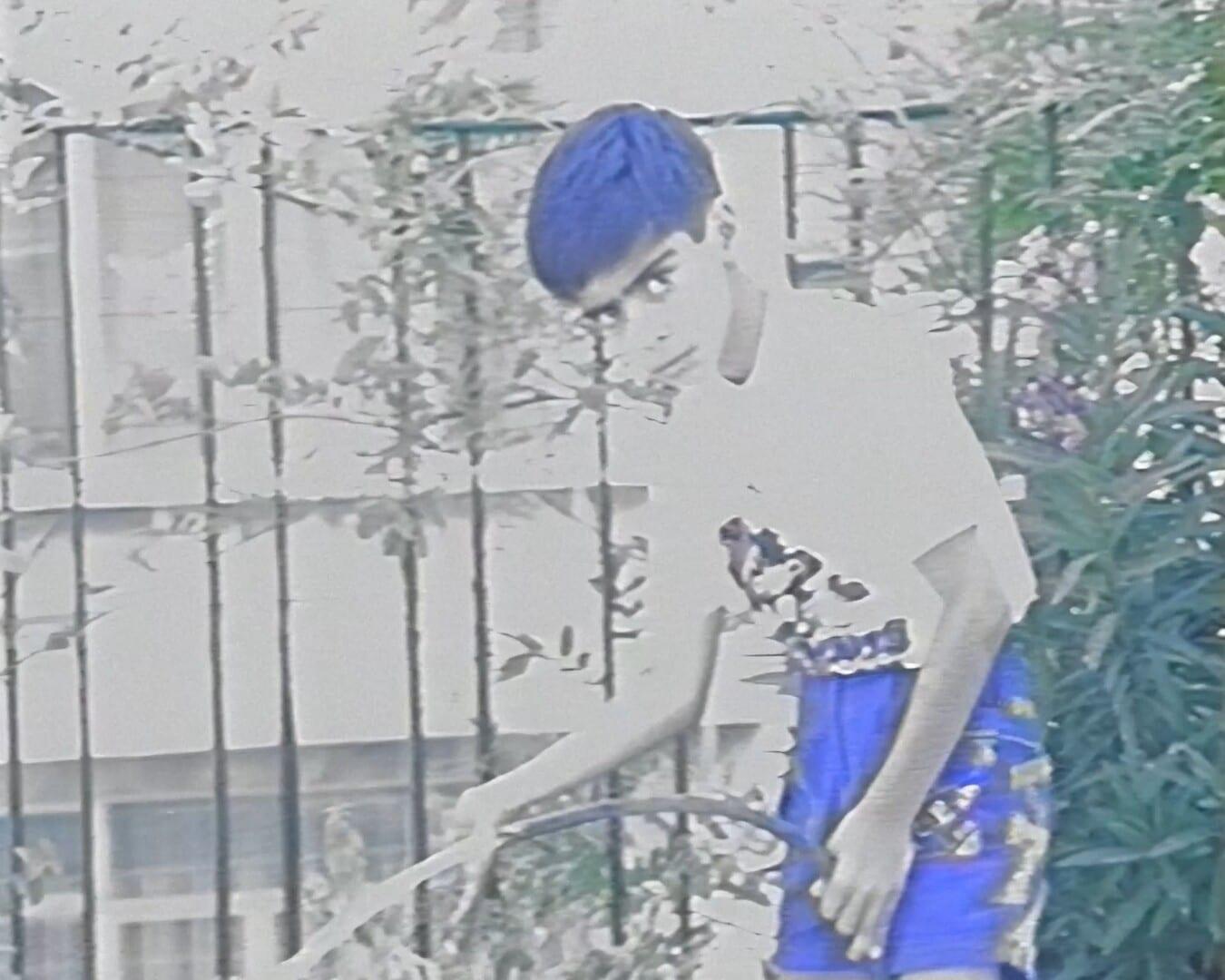
While military campaigns target infrastructure, Archive of Collateral Lives exposes the invisible fallout, the families forced to move, the daily rhythms disrupted, the lives unaccounted for in official narratives. Through fragments of VHS footage and personal memory, the film becomes a counter-archive: one that preserves what war tries to erase.
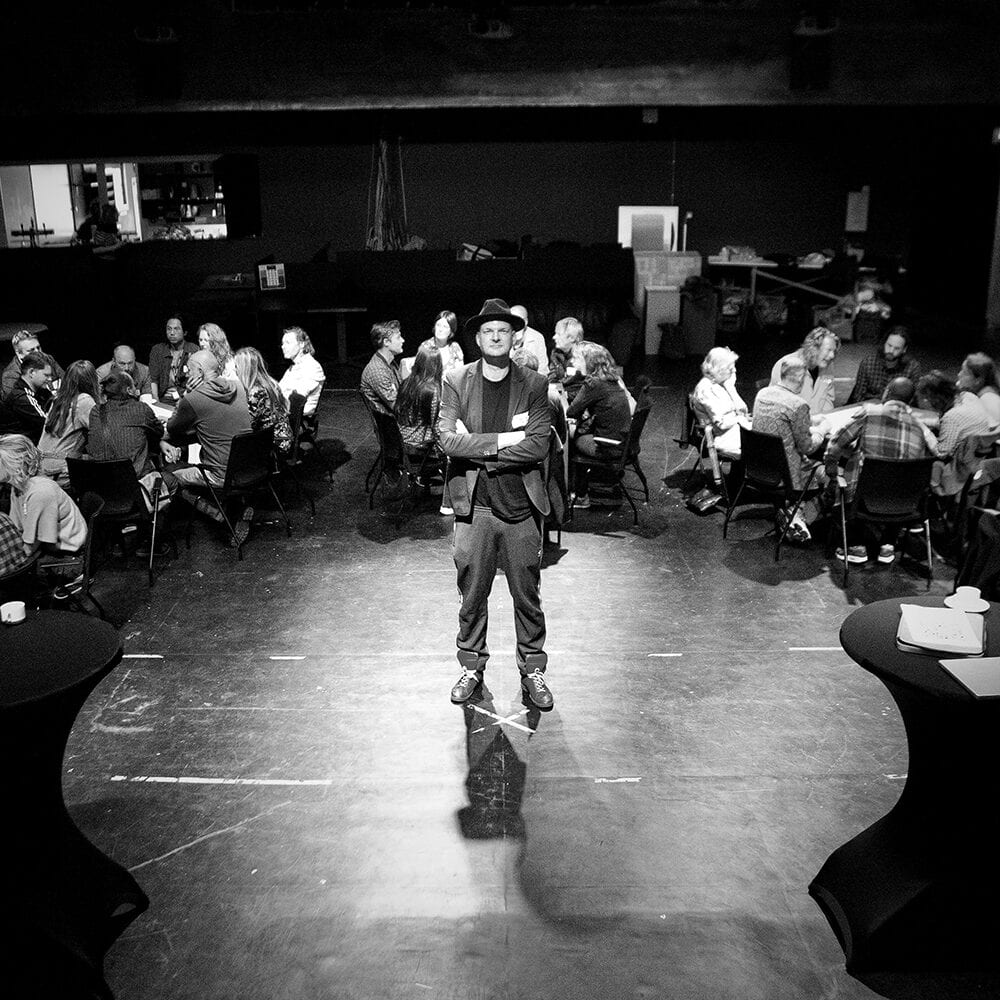
Courses of Light, Camera,...Action!
A dinner session at Groninger Filmdagen 2026
Where is film in Groningen heading, and what does it need to get there? In this session we sit down together, literally, to think about the future of filmmaking in the city and the region.
Over a simple dinner of soup and sandwiches, speakers from different corners of the film field serve up their view on the future of film in Groningen. Makers, educators, exhibitors and partners each bring their own perspective, course by course: what is already growing here, what is missing, and what could make Groningen a place where film talent wants to stay and work.
From these perspectives we distil concrete courses of action. Together we map what Groningen's film infrastructure needs, from production facilities and training pathways to funding, screening opportunities and places to meet. The results feed directly into the ongoing conversation about a stronger, more sustainable film ecosystem in the North.
In keeping with this year's festival theme, Rooted Cinema, the session asks how we can give film deeper roots in Groningen, so it can grow outward from here.
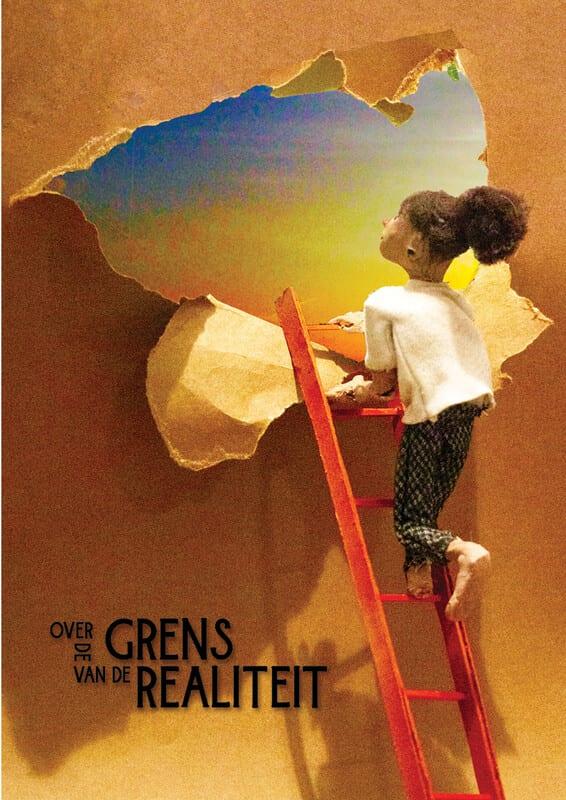
This biographical stop motion film depicts my first day in a state of psychosis. While paranoia, delusions and sounds without distinguishable sources were distracting my thinking. I tried to get through the day as if it was any other ordinary day. However, strange things kept happening.
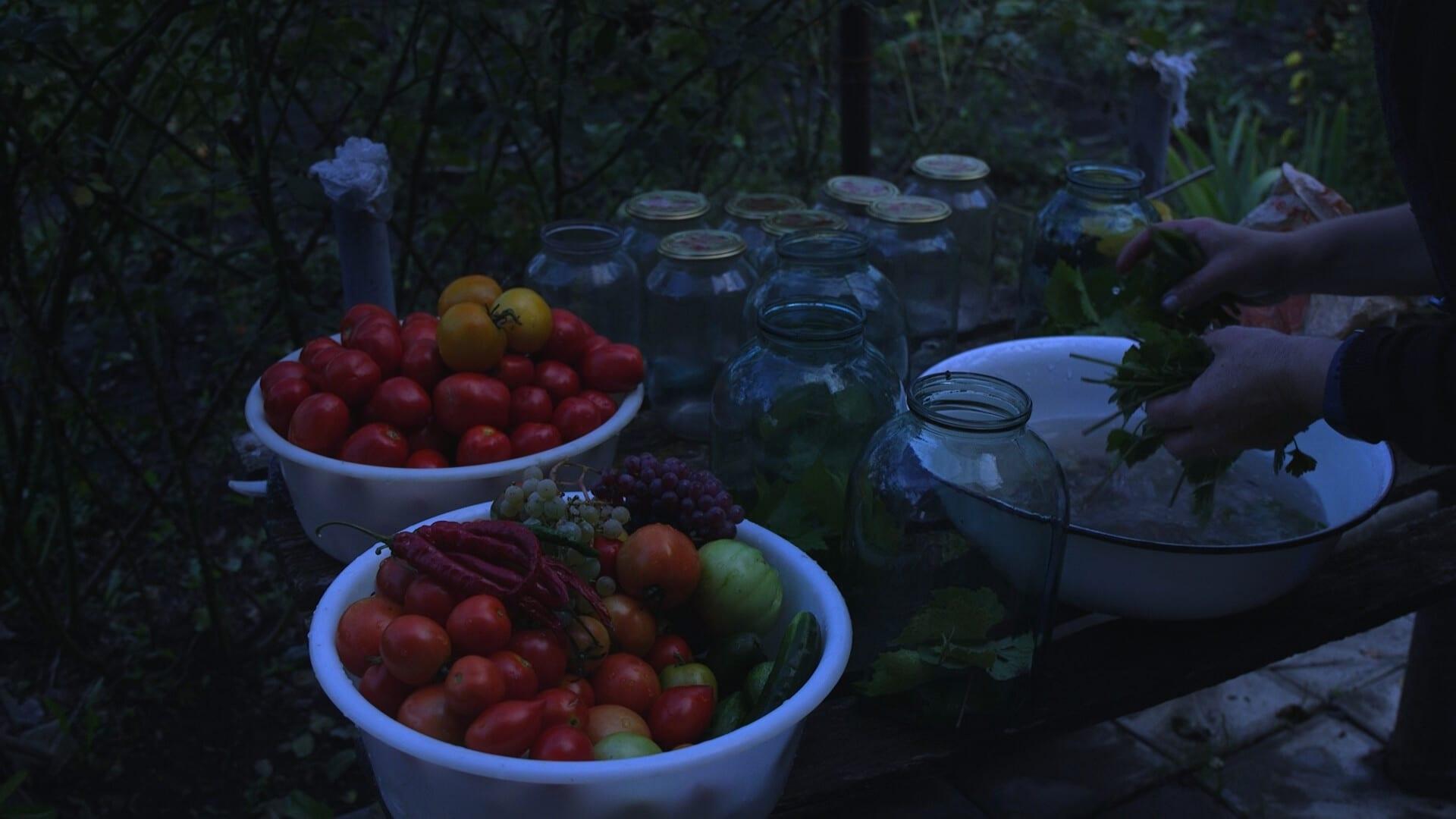
Consider cutting a tomato open, consider the worlds contained within. Consider a recipe for pickled tomatoes in a world full of LED-light grown, rock-wool sown tomatoes. Consider following tomatoes from closed-off Dutch greenhouses to Moldova, home to the filmmaker and many greenhouse workers, who leave their own tomato patches to work behind glass walls. Consider your guide to be a manuscript full of family recipes and countless ways of fermenting tomatoes.
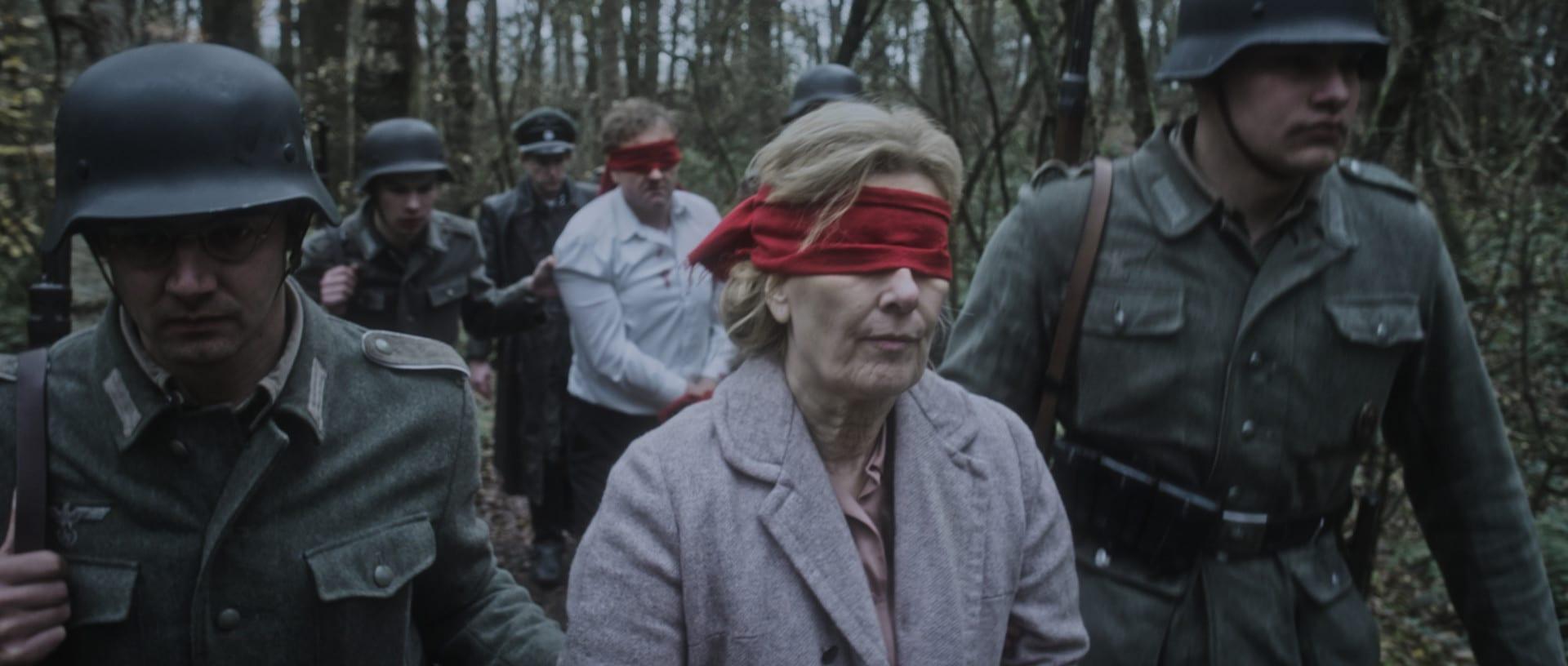
Cornelia shows the last minutes of the life of a Dutch female resistance fighter while she is being lead to the place of her execution. She asks herself: how did it come this far? Did I make the right choices?
Het Debuut is an initiative for emerging filmmakers from the North of the Netherlands to actually make their short film and get it screened.
Het Debuut gives debut directors from the North the chance to bring their short film to life, from selection to screen. Do you have a strong idea but not yet the equipment, technical know-how or the right contacts to make it happen? Then this programme is for you.
What we offer
You receive solid support, tailored to your needs, to complete your project:
Professional equipment: access to top-quality cameras, lighting and sound equipment.
Expert guidance: advice and mentoring in specialised fields. Selected filmmakers are paired with experienced professionals from the Beeldcoalitie.
Visibility:
Selected films are broadcast by RTV Noord, with a guaranteed slot in its regional programming.
Your project and your mentor are presented at Groninger Filmdagen to an audience of industry peers and the wider film network.
Contacts and network: through the Beeldcoalitie partners, you gain access to the regional film network.
How it works
Submit your film idea through the application form.
A professional jury preselects 5–6 projects to pitch.
During Groninger Filmdagen, the filmmakers pitch their ideas. The jury chooses 2–3 projects that get the green light and are paired with a mentor.
After the festival, production begins, with support from the mentor and access to the Beeldcoalitie network.
The following year, the film premieres with a broadcast on RTV Noord and a screening at Groninger Filmdagen.
The education roundtable takes place every year during Groninger Filmdagen. The film schools come together to discuss important developments and help move them forward. The Filmacademie van het Noorden (Film Academy of the North) project grew out of this dialogue, and this year's roundtable focuses on it.
The three main points of discussion are:
A review of the feedback from the Aanjaagfonds
Each partner's commitment, now that the initial funding has fallen through
Alternative funding, such as other education grants
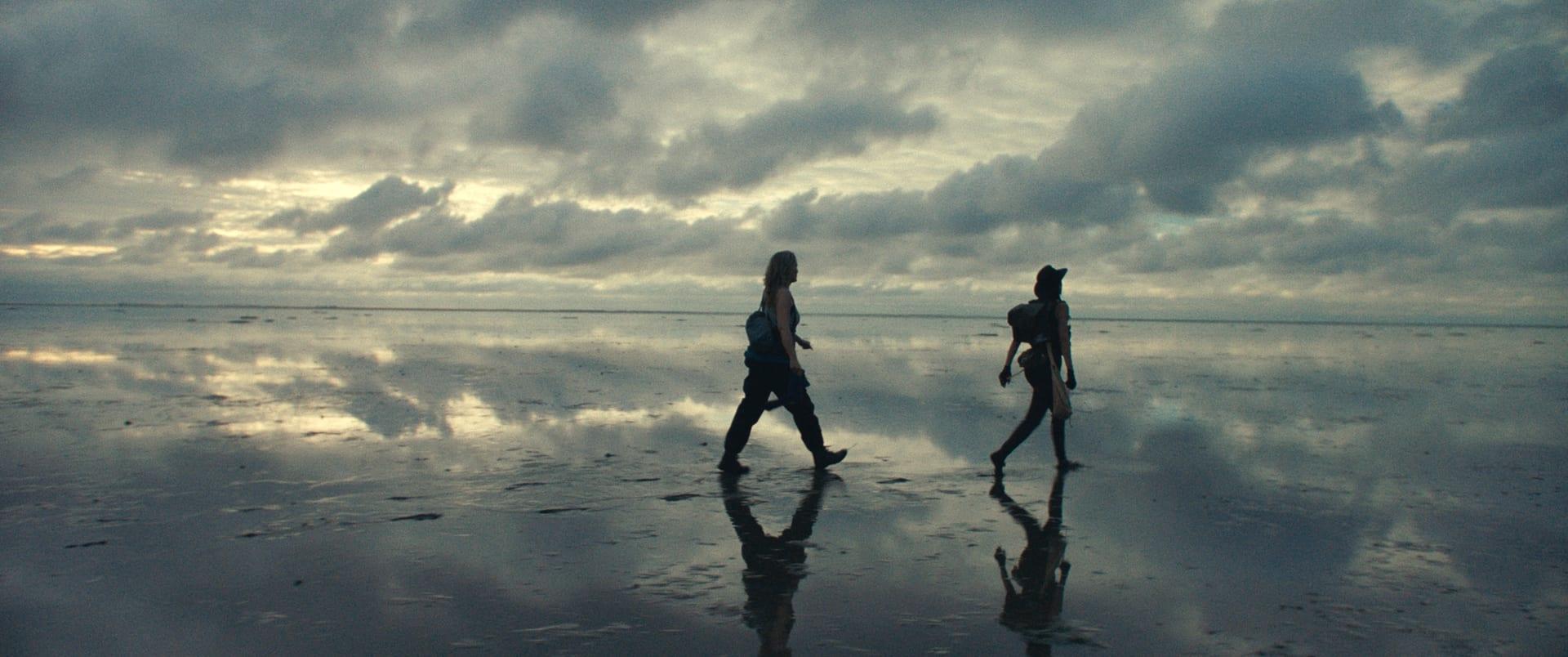
In a future, flooded Netherlands, a hardened woman is blown away from her home—an abandoned wind turbine—by a storm. But upon her return, she discovers that what she had always considered home no longer feels like home.
Locations play a major role in the work of documentary filmmaker Tom Tieman. In his film Nomadenland (Human, 2024), the location was the only starting point when filming began: a car park near Groningen where many people live in their campervans. Tieman sought out the people and their stories on the spot. Huilende bruiden (KRO-NCRV, 2024) centres on the residents of earthquake-damaged farmhouses, but the farmhouses themselves are characters too, each with a voice of its own. In Parel van de Maiden, screening at Groninger Filmdagen, place plays a major role, both in the film and for its main characters.
The Allesz Cannes Film Festival came about when two friends reached out to creative people within their network to see who might be interested in making a film or submitting a commercial, with the goal of putting together a DIY film night. This ultimately resulted in seven films, nine advertisements, and a sold-out cinema screening.
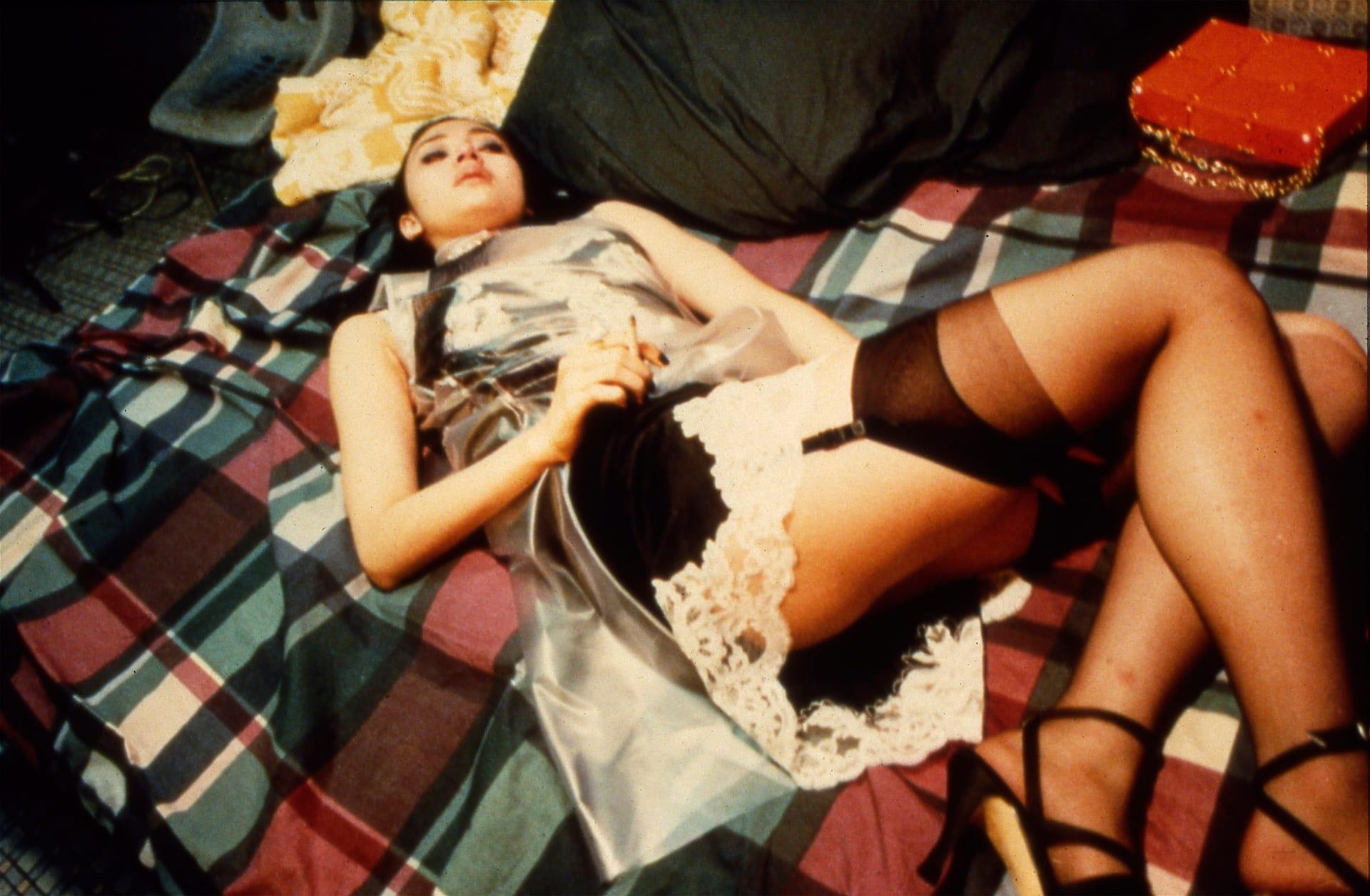
Two intertwined storylines—one tells the story of a hitman wishing to leave the criminal underworld, the eccentric woman he starts a relationship with, and his agent that remains unnamed throughout the movie, who is infatuated with him. The other story is of a mute ex-convict on the run from the police and a mentally unstable woman dumped by her boyfriend. Set in 1995 pre-Handover Hong Kong, Fallen Angels explores the characters' loneliness, their alienation from the situations around them, and yearning for connections in a hectic city.
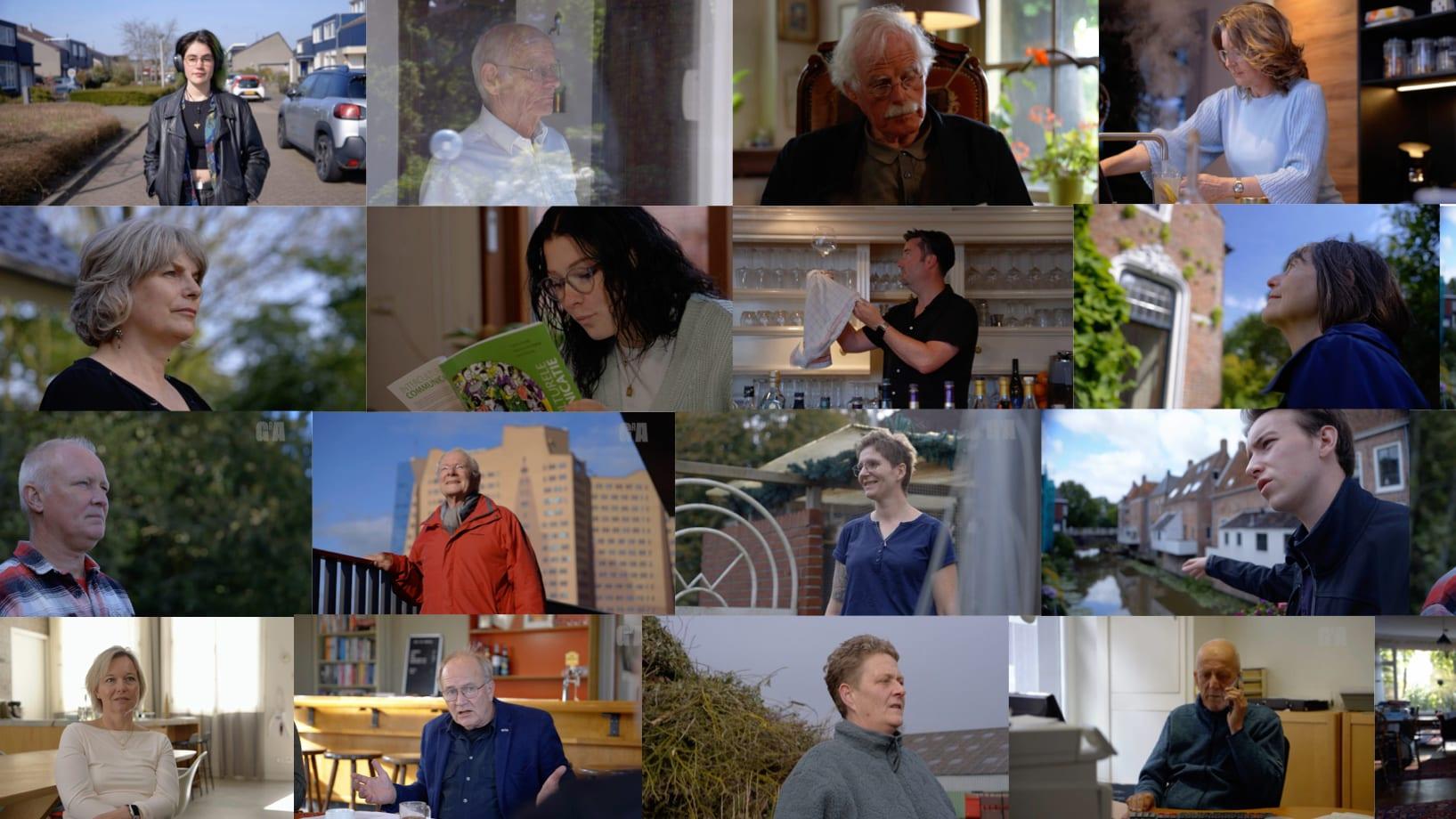
Ooggetuigen van de Gaswinning (Eyewitnesses of Gas Extraction) is an oral history project that records the personal stories of people involved in Groningen's gas extraction and its consequences. In extensive filmed interviews, residents, professionals and others share their experiences from a wide range of perspectives. The project is an initiative of Diepduik Media and is carried out together with various social, cultural and knowledge institutions. The interviews are permanently preserved at the Groninger Archieven and made available to a wide audience through Filmbank Groningen. In this way, these personal stories are kept for future generations.
Photographer Marieke Kijk in de Vegte has been part of the Ooggetuigen van de Gaswinning history project from the start. In her own distinctive way, she portrays every eyewitness.
The film tells the story of the remarkable collaboration between drumband Hallelujah from the Frisian town Makkum and D.I.Y. pop artist Zea. As tradition dictates, the sixteen-piece drumband makes its appearance at events such as the arrival of Sinterklaas and King's Day. But the adventurously minded drummers are always looking for something new, something… just a little different. The man behind Zea, Arnold de Boer, invited them last year to make a record with him. And so it came to pass. The drum band — which also features Arnold's father — composed music to accompany Arnold's Frisian-language songs. As this documentary unfolds a story about community, family, and tradition, we also see how this unlikely musical encounter brings the two genres together seamlessly.
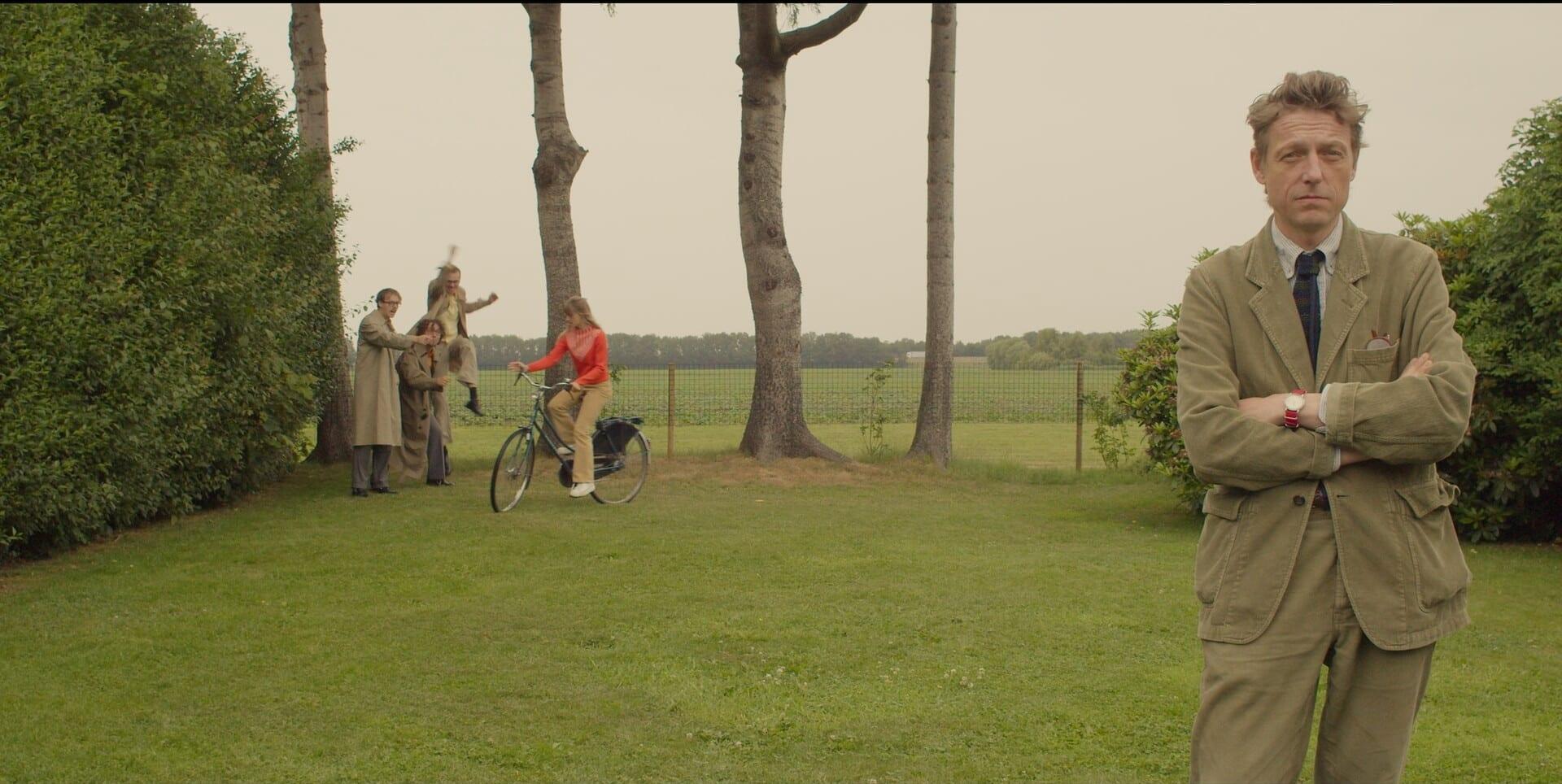
A middle-aged man named Leon looks back on his troubled childhood through the prism of his old bicycle. What starts out as a nostalgic trip down memory lane turns out to be a fantastical tale full of wacky inventors, reminiscences and a writer whose best friend is a red cat.
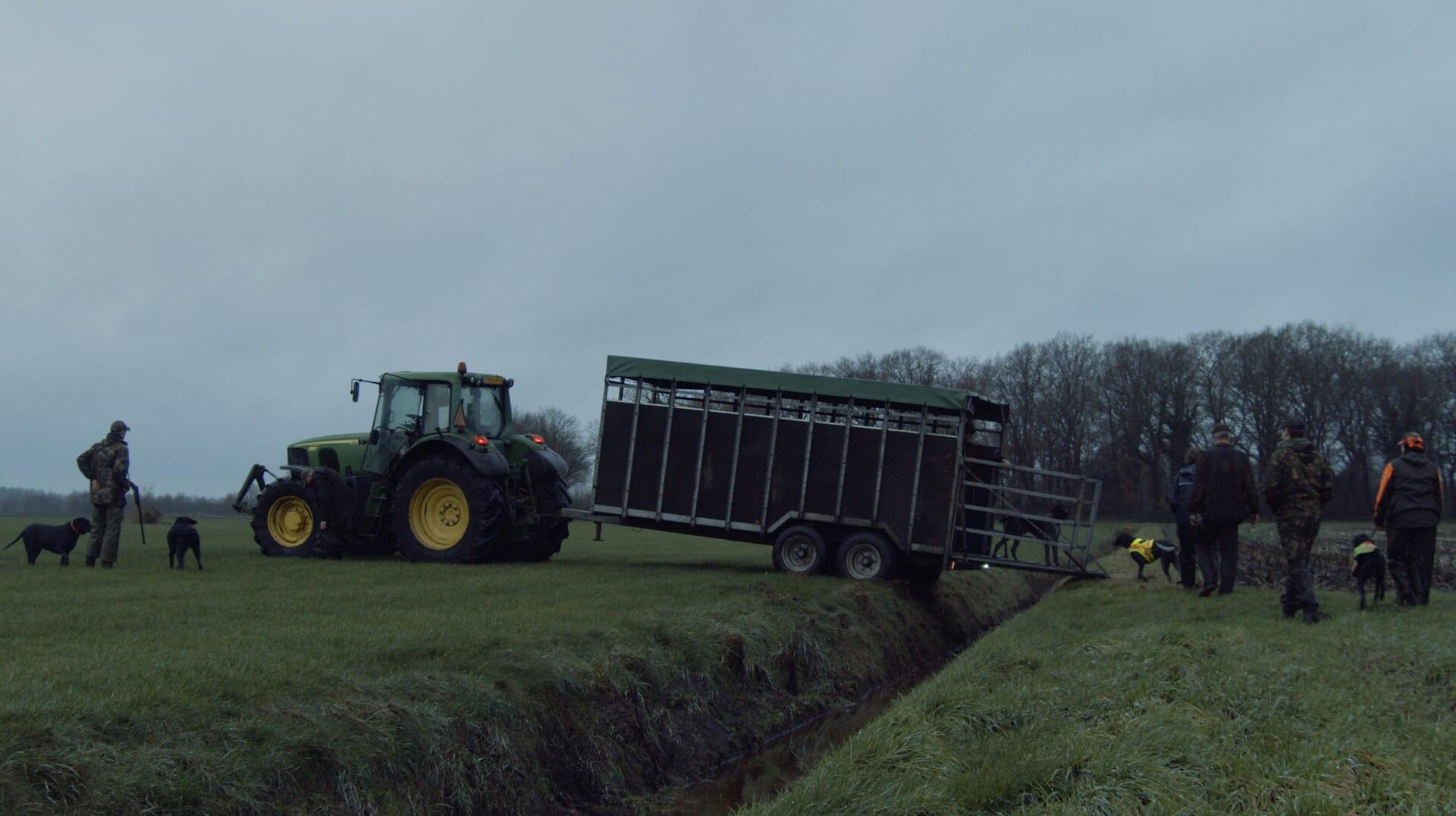
With a light tone and open gaze, filmmaker Okki Poortvliet follows a hunting group in the Dutch countryside. She observes the hunt and follows hunter Geert as he prepares the animals days later. Through these acts, the film reveals the hunters’ relationship to death while touching on rural neglect, and the idea that no untouched nature remains in the Netherlands.
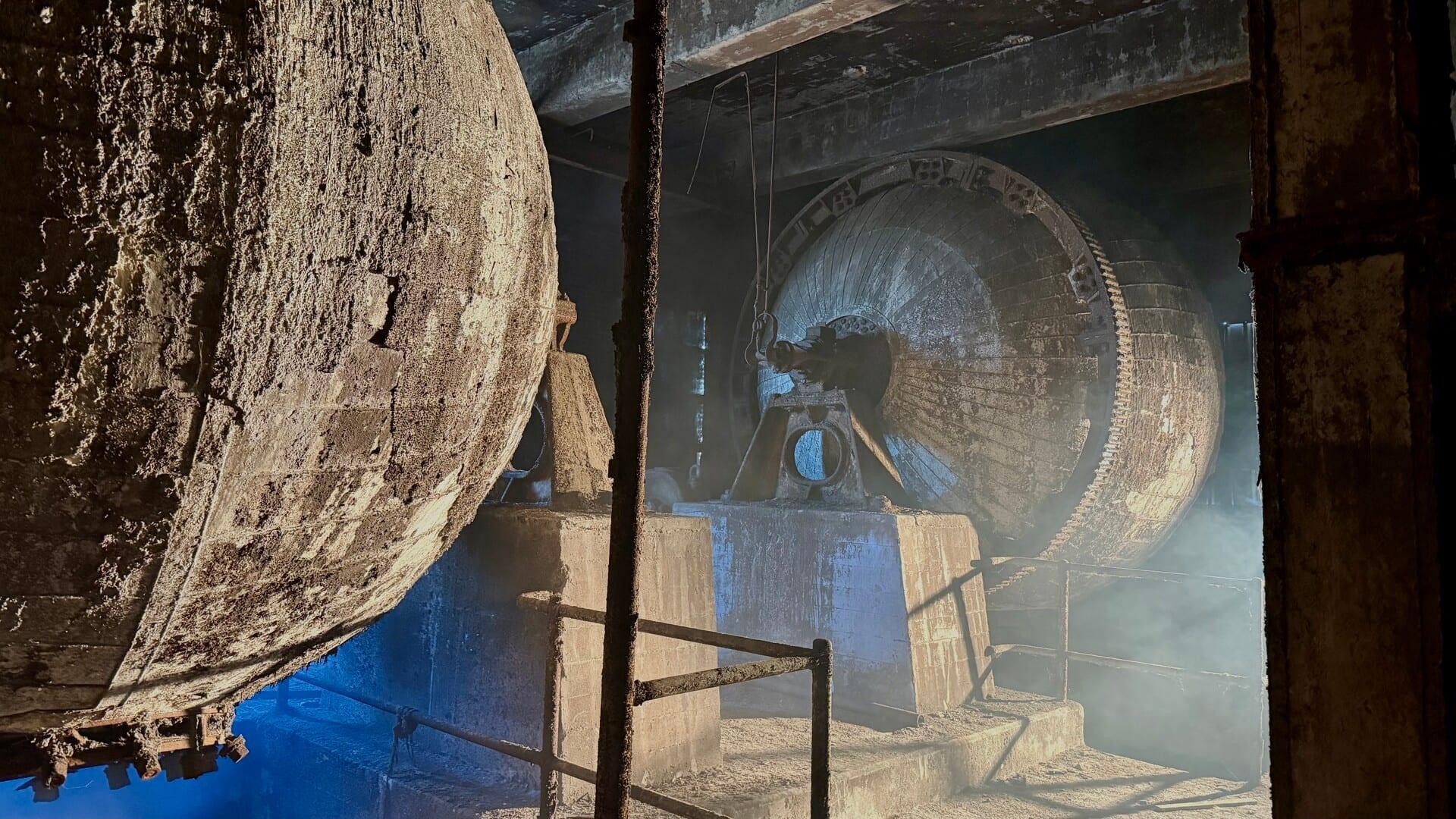
In the documentary Heart of De Halm, director Saskia Jeulink captures the farewell to the 113-year-old strawboard factory De Halm in Hoogkerk (Groningen). Three former employees return to the place that shaped their lives, not only as individuals, but also as part of a close-knit community. As the past echoes through the factory halls one last time, a lasting memory is being built. A moving film about farewell, connection, and legacy.
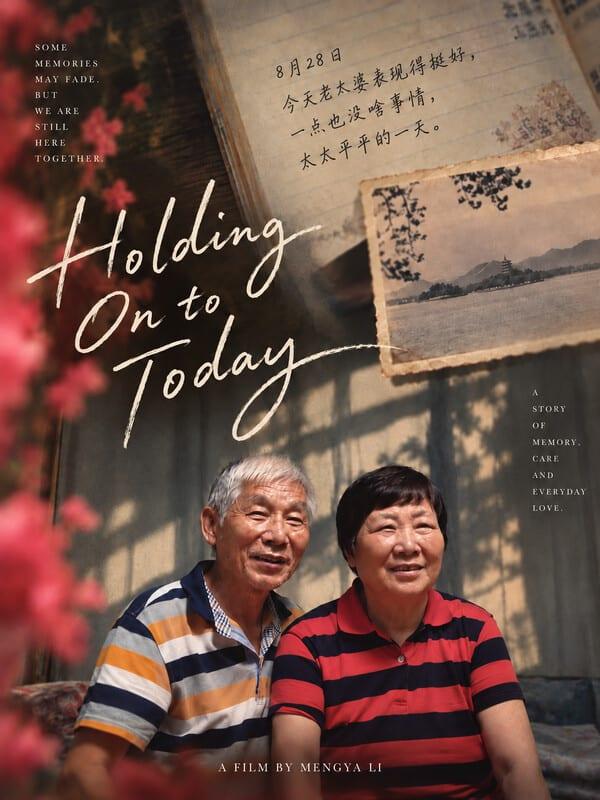
“August 28. The old lady was doing pretty well today. Nothing much happened. Just another peaceful day.” These ordinary words open a window into the life of 74-year-old Genlin Zhang, who has spent eight years caring for his wife as Alzheimer's disease takes away her memories, language and independence. Through intimate interviews and daily routines, the film follows him through the repetitive, often invisible labor of caregiving, and through small moments of connection. In a life shaped by uncertainty, an uneventful day becomes something worth remembering.
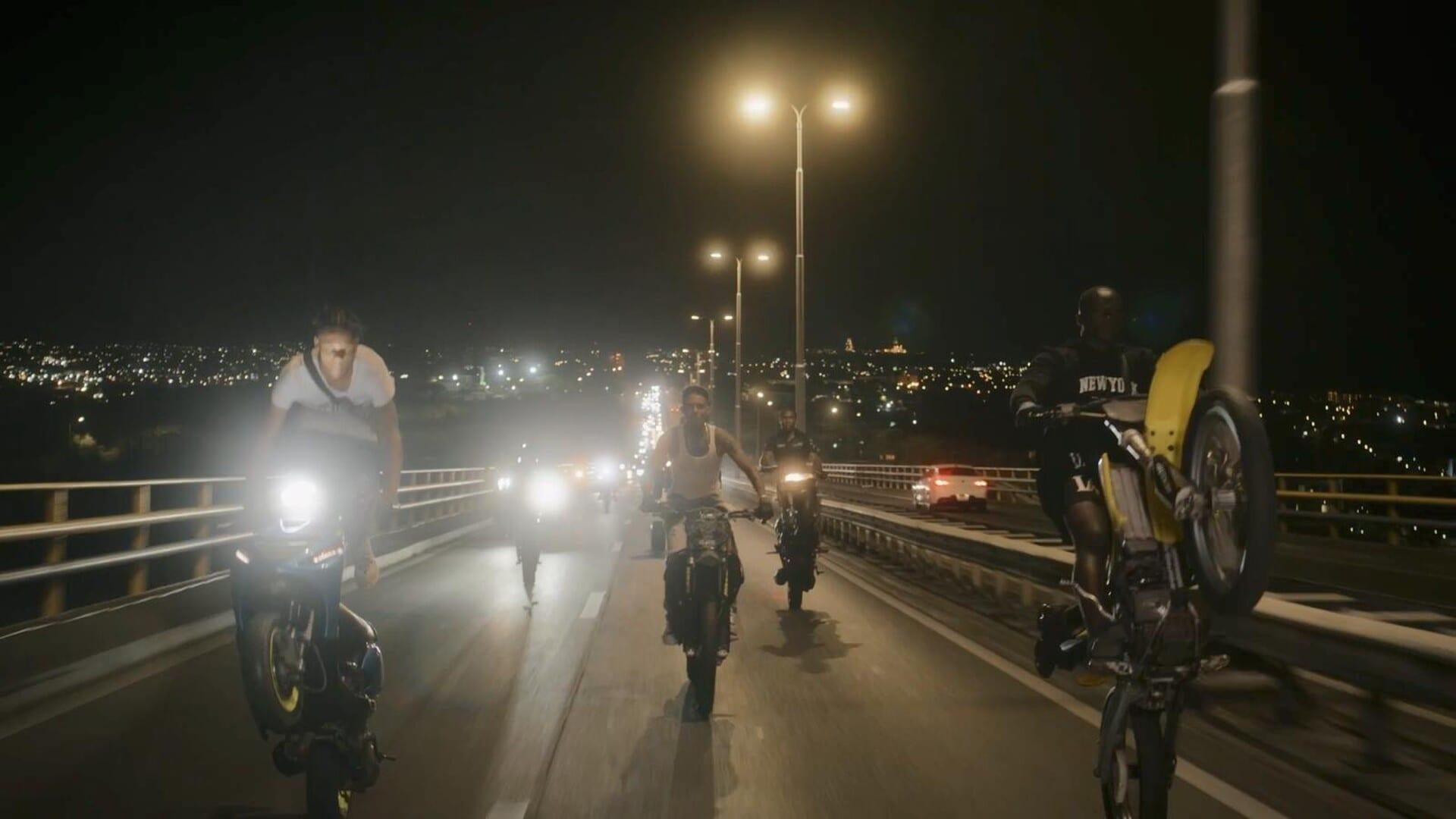
In ‘Horsepower,’ a daredevil influencer from Curaçao navigates the tension between high-octane chaos and grounded purpose. As his public persona races at full throttle pulling stunts, chasing thrills, and outrunning pain, a quieter truth begins to surface. Beneath the viral fame lies a man reckoning with depression, family expecations, and the pressure to become someone better. With everything on the line, Alex becomes increasingly aware that it’s time to choose between the version of himself the world sees and the one he hopes to become.
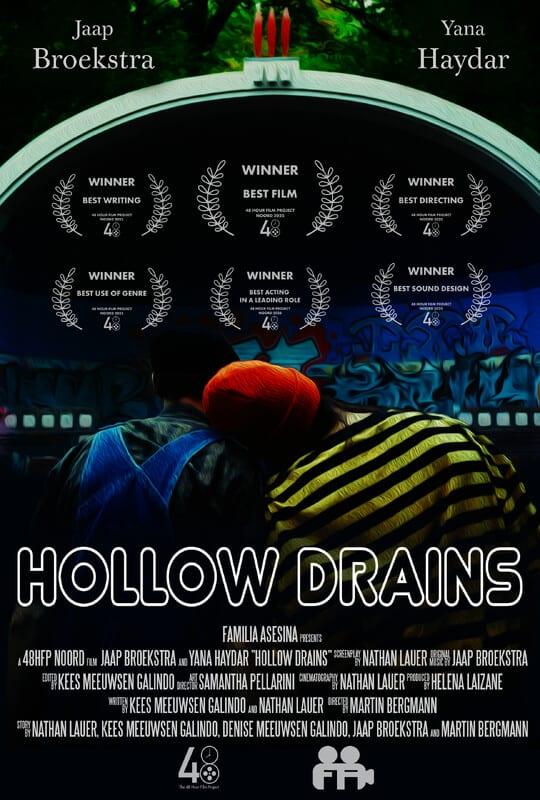
The Allesz Cannes Film Festival came about when two friends reached out to creative people within their network to see who might be interested in making a film or submitting a commercial, with the goal of putting together a DIY film night. This ultimately resulted in seven films, nine advertisements, and a sold-out cinema screening.
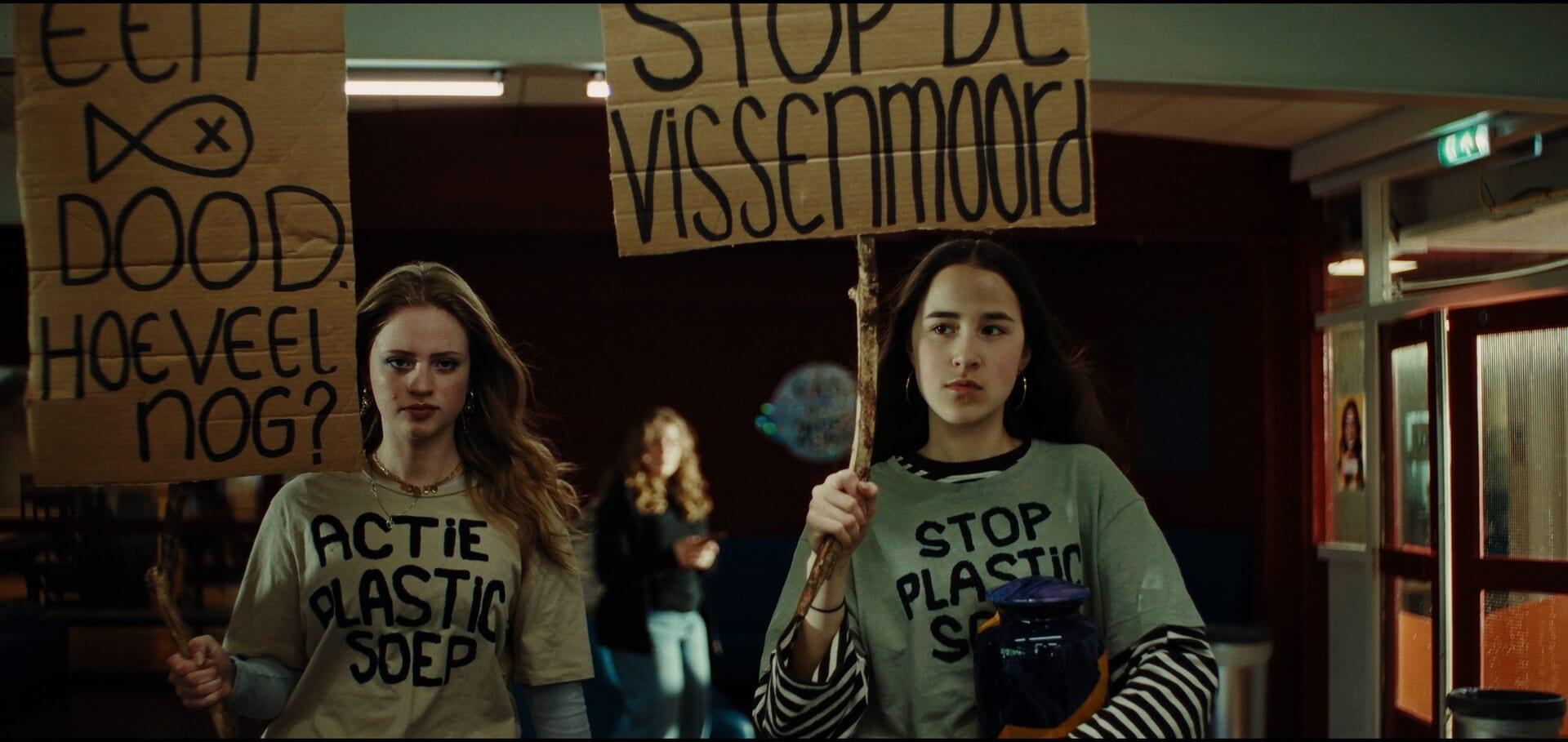
Charlotte and Sef are determined to save the world from plastic pollution. Sounds like a great plan—until their good intentions spiral wildly out of control. Before they know it, they’re stealing. What follows is thrilling, funny, and at times seriously awkward.
Drawing on the recollections of Henk van Os and Martin Tissing, director Buddy Hermans paints a picture of the diverse art movements that emerged in Groningen between 1945 and 1975. The documentary features conversations with artists such as Siep van den Berg, Henri de Wolf, Han Jansen, Jo van Dijk, Olga Wiese, and others from that era. It also includes a wealth of archival footage, capturing exhibition openings at Galerie de Mangelgang, scenes from the ‘Beeld-en-route’ event, and various other happenings.
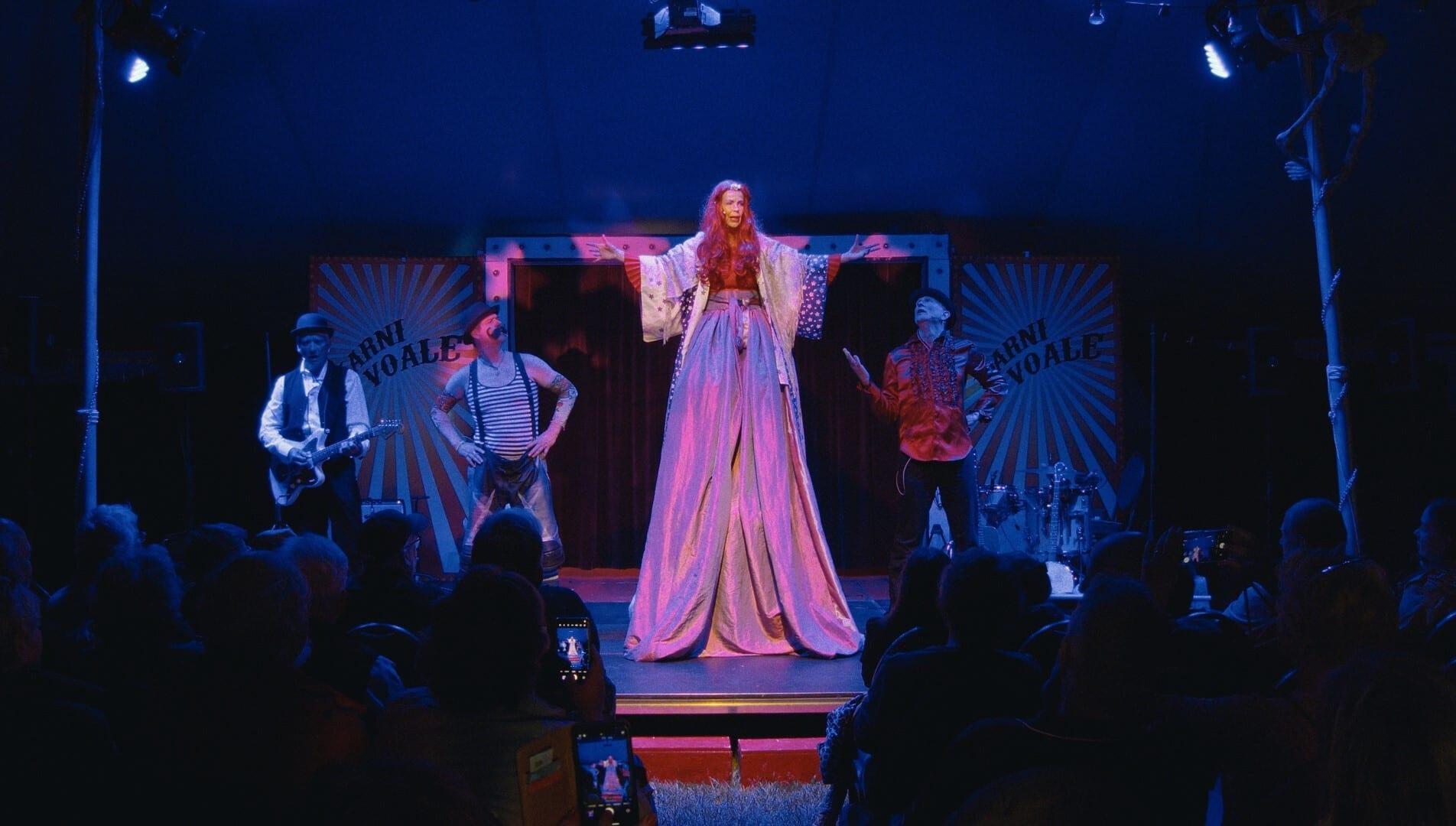
Like a traveling carnivale, the creators of the cheerful show ‘Karnivoale’ tour the villages of Groningen’s Hogeland region. The performers - including Alina Kiers, Frank den Hollander, Jan Veldman, and Carmen Schilstra - have been making theater and music together for over thirty years. They’re perfectly in sync with each other, are both colleagues and friends, and are all way past the age of sixty. They have absolutely no intention of quitting. And why would they, when creating brings them so much joy? Filmmaker Fleur Nonnekes (‘Kon Minder’) follows the troupe during performances and rehearsals. She herself is not yet thirty, is just starting her career, and already feels tired. As she grows closer to the performers - and particularly sees herself reflected in Alina - she sets out to discover the secret behind their boundless energy and inexhaustible creative drive.
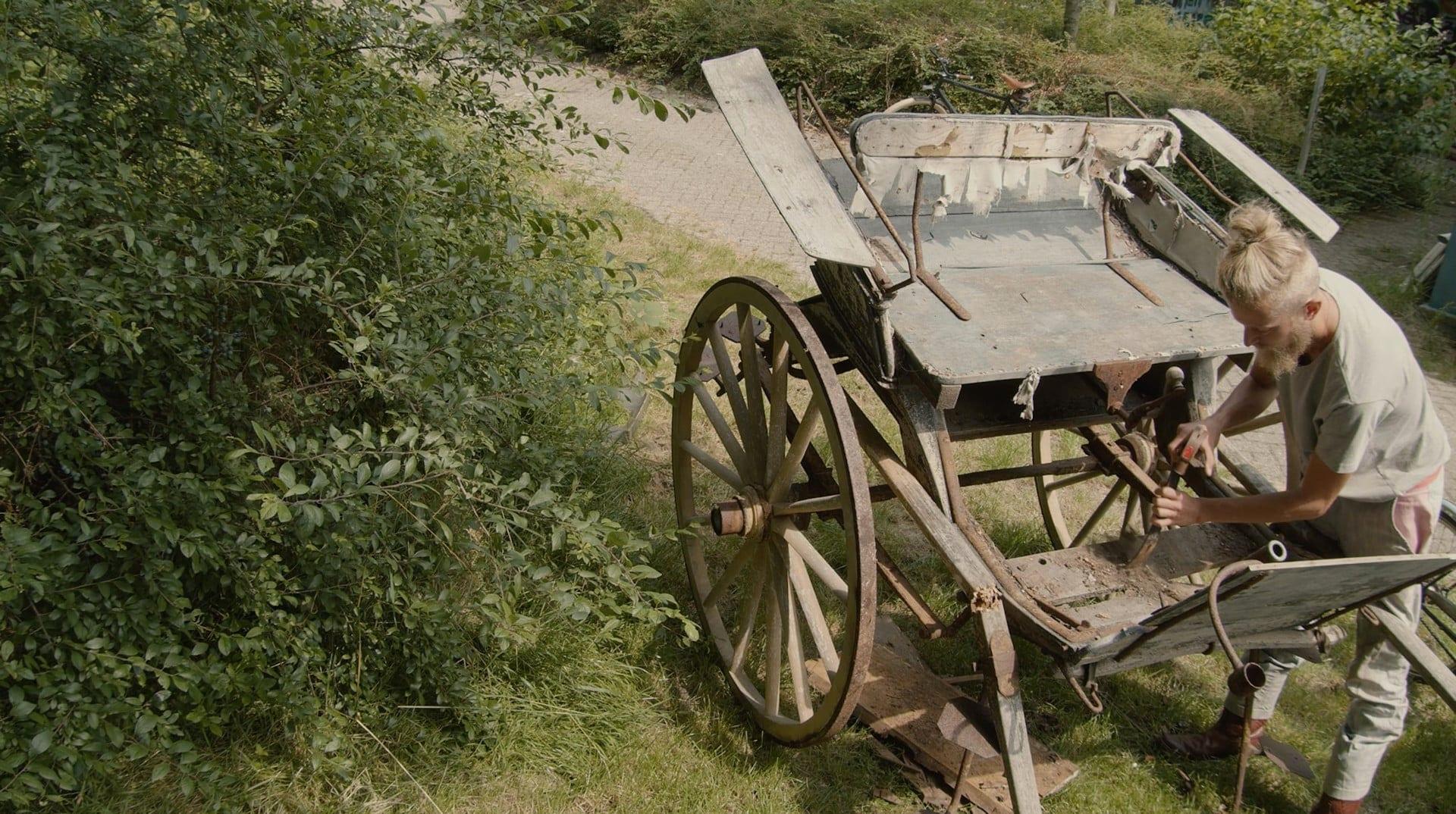
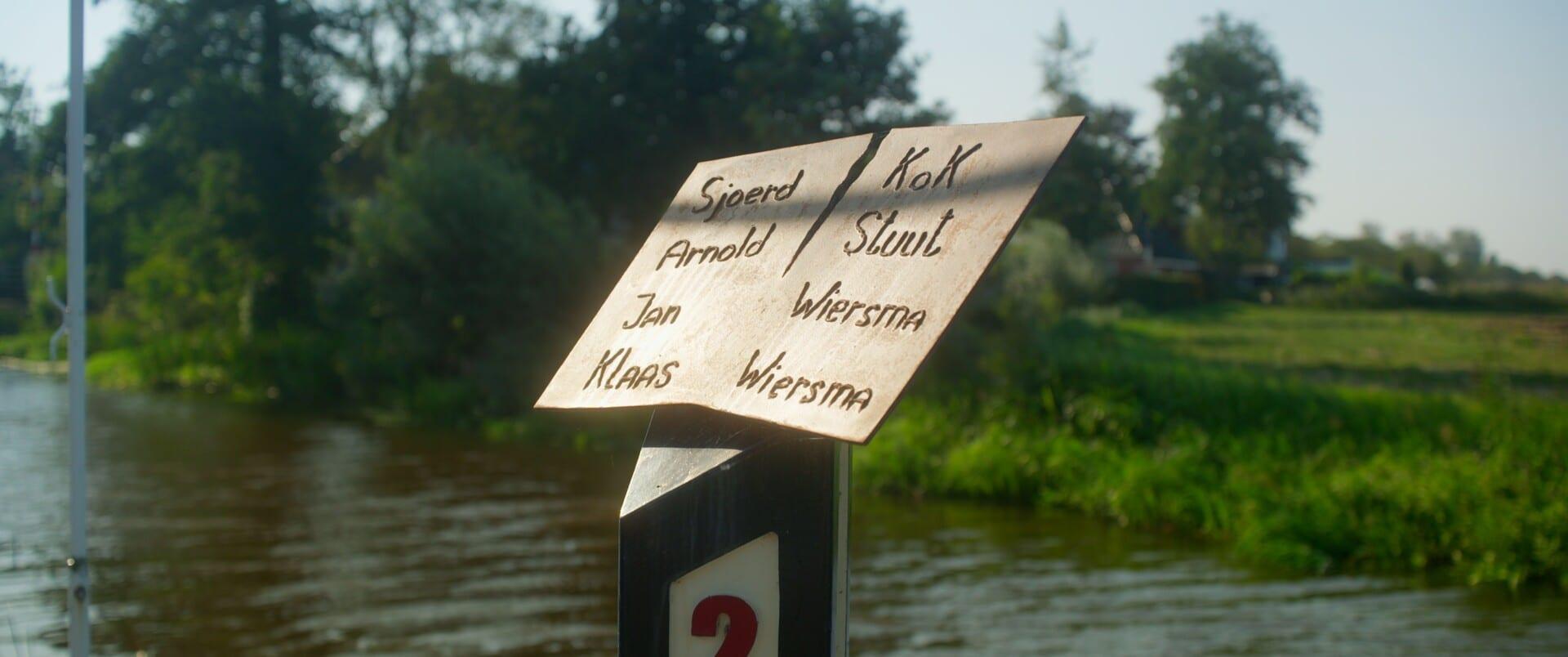
Fabian builds his house on an old cart that he will pull himself, with the plan to walk to Serbia. But then it turns out that building the cart in itself is quite a journey. Will the cart ever leave it's place?
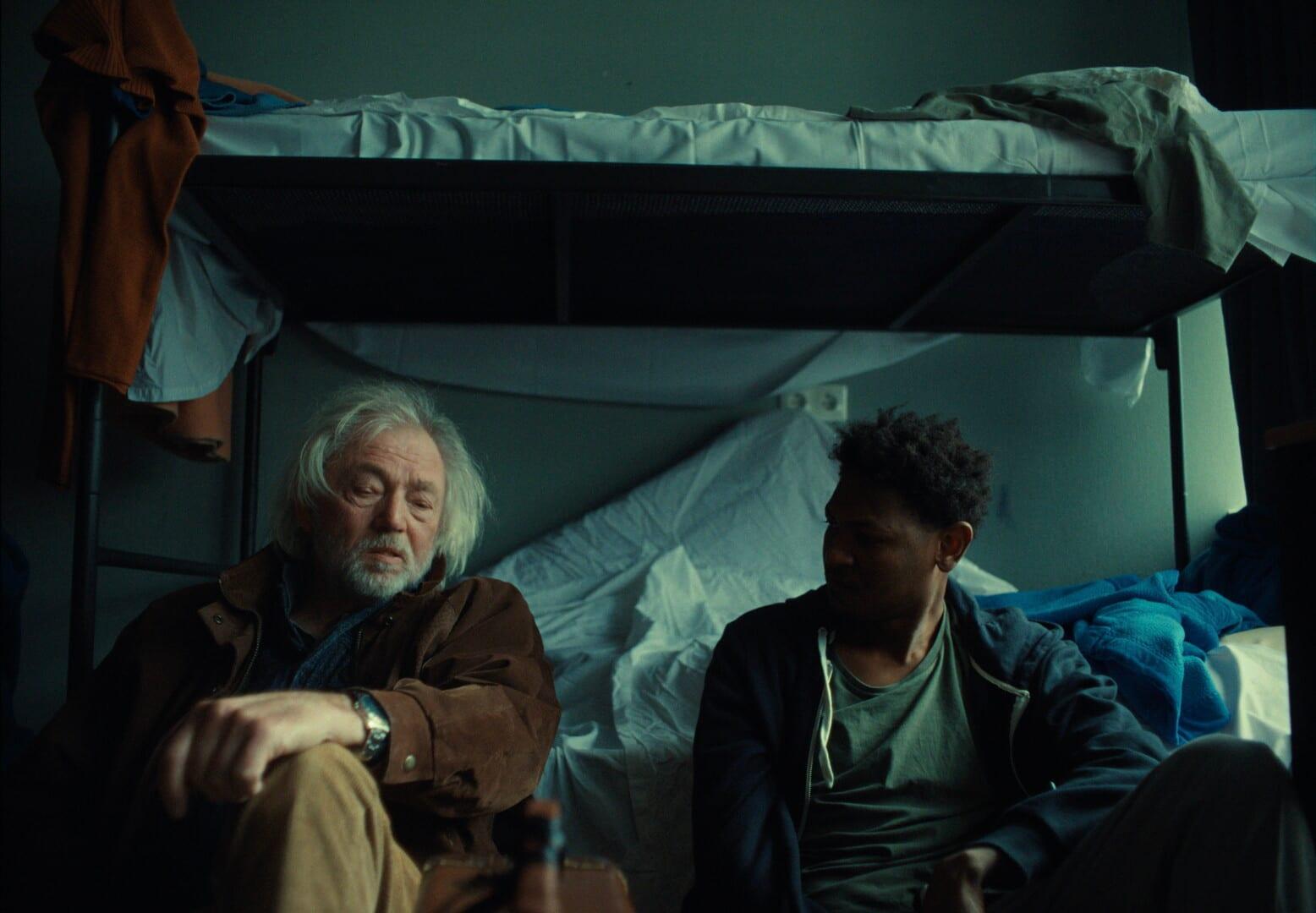
While searching for work to send money home to his sister, young Sudanese refugee Kofi meets Julian, a reclusive and withdrawn jazz musician. When Kofi reveals himself to be a gifted trumpet player, Julian decides to help him book a performance, and an unexpected friendship emerges that transcends language and culture.
The Allesz Cannes Film Festival came about when two friends reached out to creative people within their network to see who might be interested in making a film or submitting a commercial, with the goal of putting together a DIY film night. This ultimately resulted in seven films, nine advertisements, and a sold-out cinema screening.
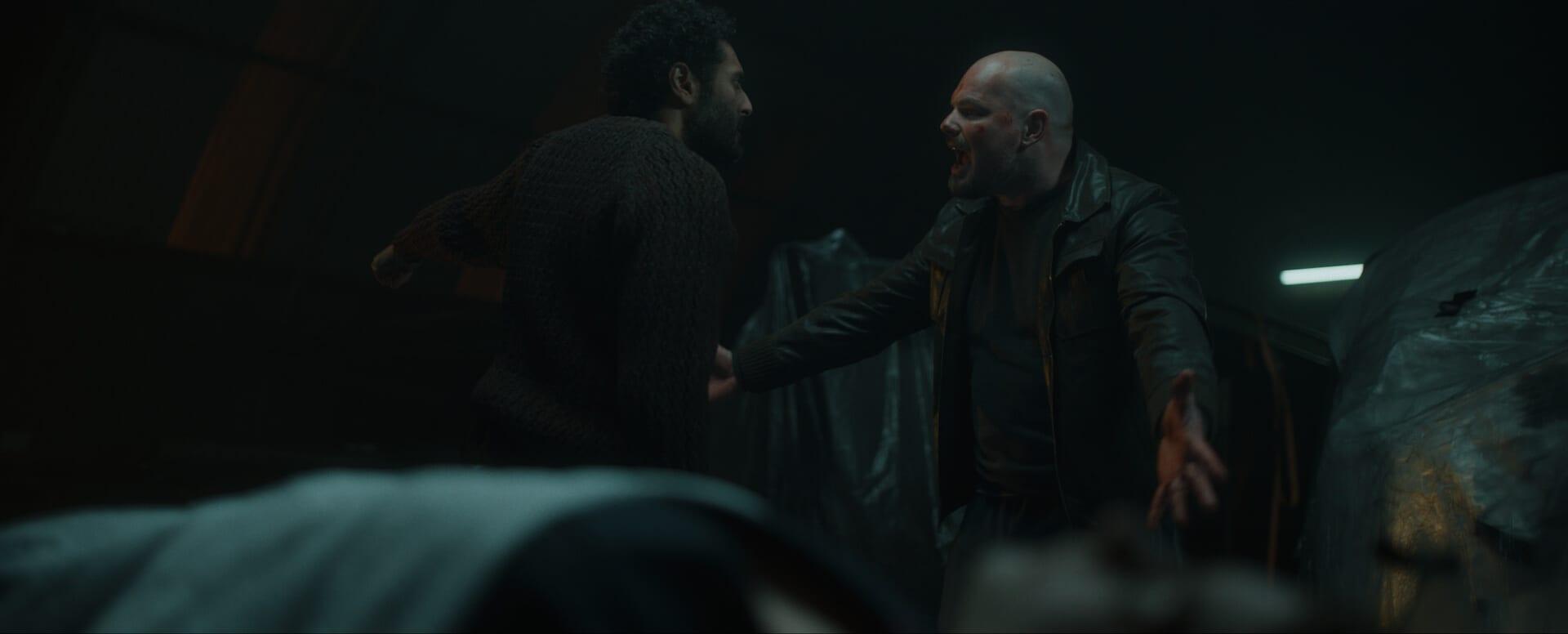
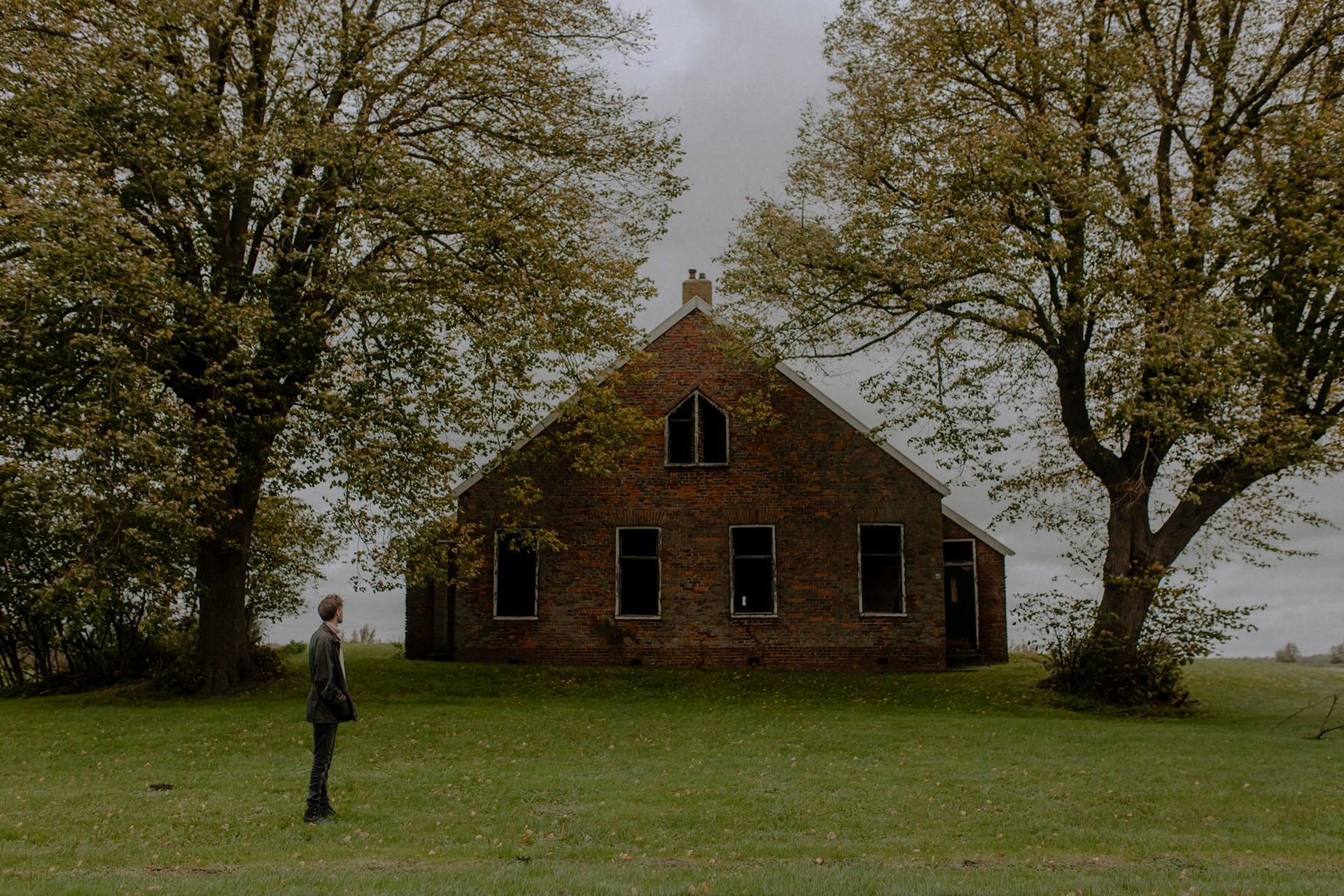
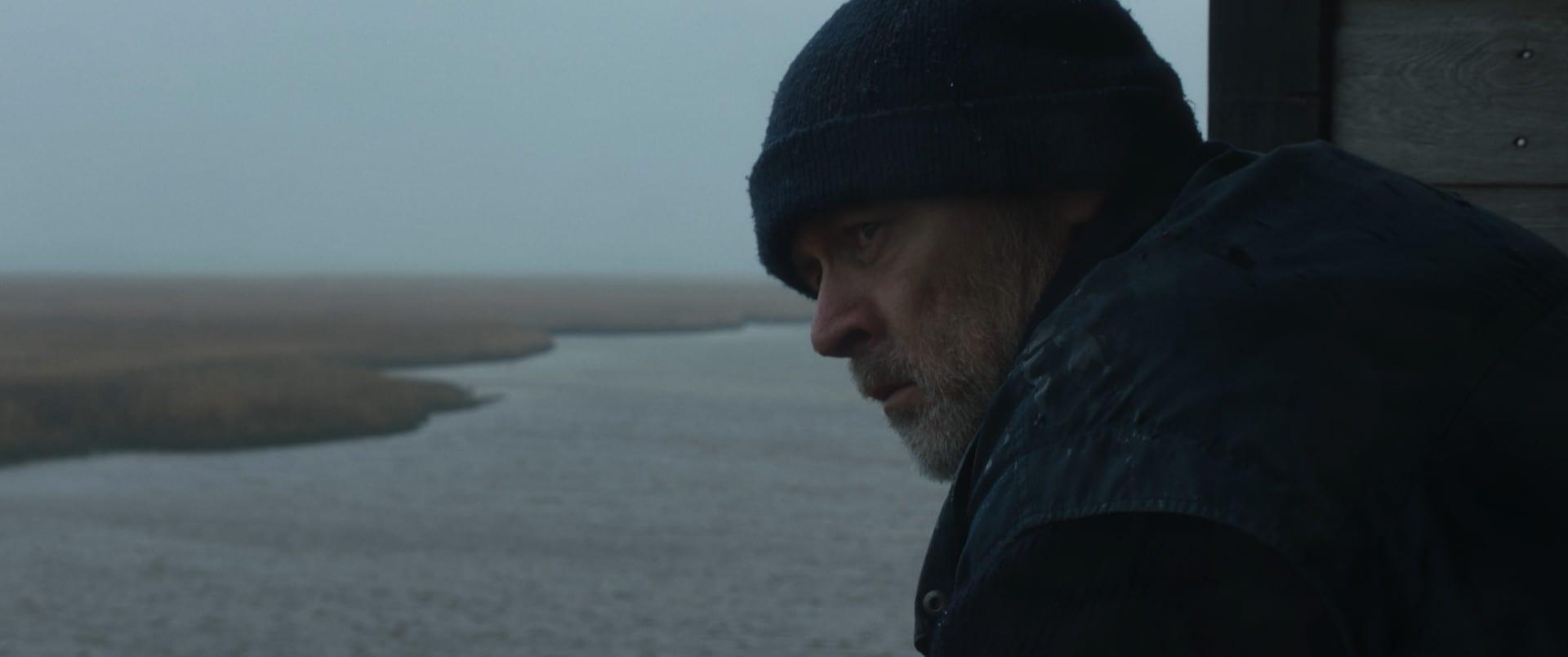
The Last Day is about Ton, a lonely man who moved into a bird spotting hut when his wife died. Here, he spent many hours with his wife. Ton tries to gather courage to end his own life, but he simply can’t do it. Luckily he gets help from a boy. A mysterious friendship grows between the two, while they prepare Ton’s death.
In the open fields of Friesland, Hannes Scherjon carries the weight of a family legacy as a sixth-generation clog-maker and son of a fierljeppen champion. With his first child on the way, he makes one final comeback to claim the Frisian Championship (FK), the one title that has always eluded him. As he balances training, the family business and fatherhood, setbacks and injuries test his resolve. Whatever the outcome, the story finds its quiet resolution as he stands with his newborn son by his fierljeppolder: true legacy is not repeating the past, but carrying it forward in your own way.
The Allesz Cannes Film Festival came about when two friends reached out to creative people within their network to see who might be interested in making a film or submitting a commercial, with the goal of putting together a DIY film night. This ultimately resulted in seven films, nine advertisements, and a sold-out cinema screening.
Microdose of Creativity follows Antonio, a struggling painter who gets stranded on the way to sell his last painting. An unlikely encounter with a rebellious teenager forces him to confront the fear that sobriety has taken away his creativity — and to rediscover why he started painting in the first place.
There are thousands of war memorials in the Netherlands. What purpose do these monuments serve? And does that purpose change now, eighty years after the end of the Second World War, as the last generation of eyewitnesses disappears? Filmmaker and member of a 4 May committee Sander Blom zooms in on the monuments in the municipality of Westerkwartier to answer these questions.
Behind every history lies a personal story. Oral history gives a voice to people who might otherwise not be heard, and it preserves valuable memories for future generations. History then becomes more than facts and takes on a face. You learn more than what happened. You also discover how people experienced events, which emotions were involved and what those events mean to them. These personal perspectives make the past tangible, human and recognisable.
But how do you give these people a voice and hear what has gone unspoken until now, the story behind the story? Hilde Boelema is one of the interviewers for Ooggetuigen van de Gaswinning (Eyewitnesses of Gas Extraction). In this workshop she talks about oral history and its particular approach to interviewing.
www.ooggetuigenvandegaswinning.nl
How do you turn an idea into a project that also has meaning and impact?
Three and a half years ago, the idea came up to record on video the stories of people in Groningen affected by gas extraction. The project was meant to cover more than the last twenty years: it would span the entire period since Groningen gas was discovered in 1959.
A unique video document
Ooggetuigen van de Gaswinning (Eyewitnesses of Gas Extraction) has since become one of the largest oral history projects in the Netherlands and a unique video document. New interviews are still being recorded and added to the collection, and several spin-offs have grown out of it.
In this session, creator and producer Erik Wijnholds shares his experiences and lessons learned, and gives practical tips.
www.ooggetuigenvandegaswinning.nl
After a wonderful first edition, Groninger Filmdagen returns this year. On 27, 28 and 29 November we once again celebrate the stories, makers and remarkable films our region has to offer.
This year the festival is dedicated to Rooted Cinema: films rooted in a place, a culture or a community. We bring stories and people together, because film is so much more than what happens on the silver screen. It gets us talking, it connects us, and it lets us see the world around us through different eyes.
During the opening, we take you into the world of Rooted Cinema with remarkable stories about Groningen.
Erik Wijnholds introduces Ooggetuigen van de Gaswinning (Eyewitnesses of Gas Extraction), an oral history project that records the personal stories of people involved in Groningen's gas extraction and its consequences. We will see a first documentary sketch of the project, made by Jelke Landman, the project's regular camera operator.
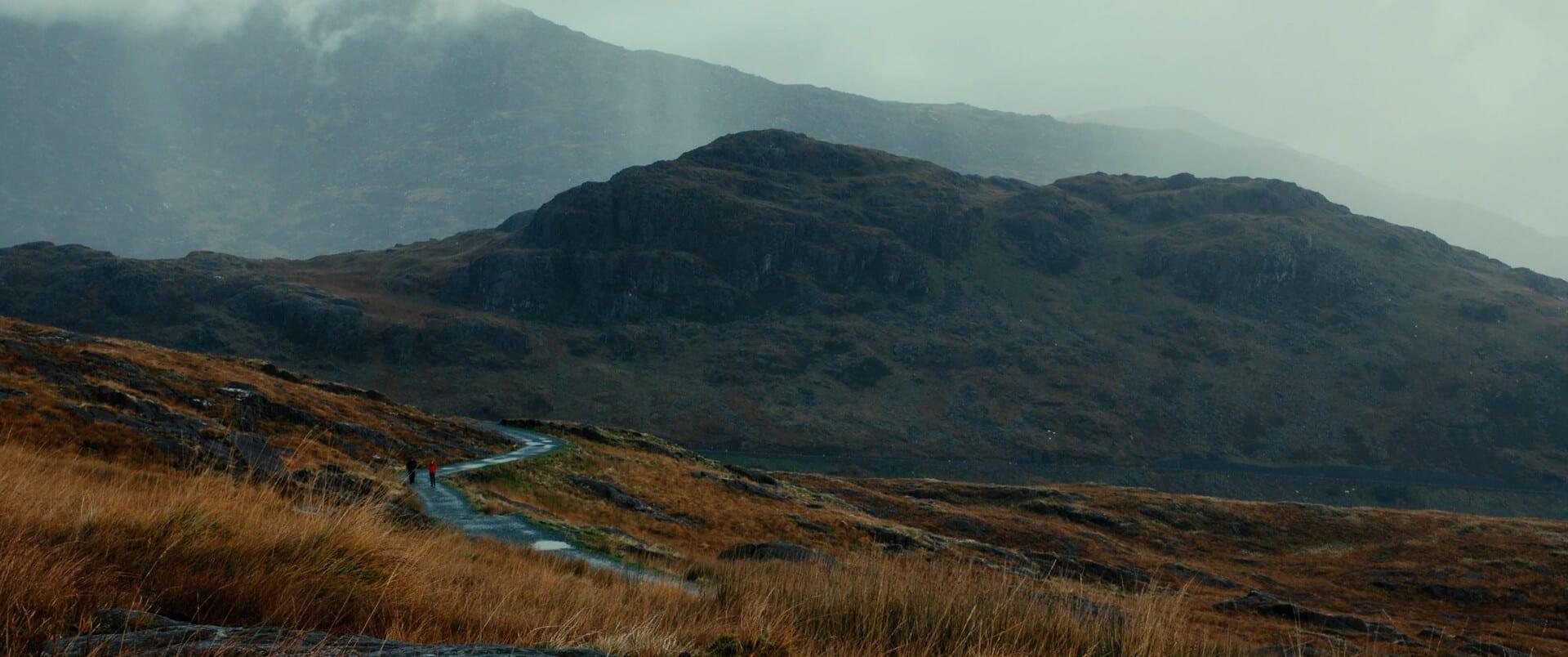
Sander Blom's beautiful film Yr Wyddfa is a visually striking story that shows what film with Groningen roots is capable of. It was made from the North, with a gaze that reaches beyond its own surroundings. That is exactly what this edition's theme is about: Rooted Cinema.
Sean Campbell and Jacob Burke, members of the organising team, give us a surprising glimpse into the remarkable history of the iconic building we are in.
This documentary sheds a personal light on the consequences of the Iranian revolution, the ongoing oppression, and the brave resistance of Iranian women. Through the personal stories of Iranian women Mytra, Mona, and Azadeh, the film shows the brutal reality of executions, random house searches, and omnipresent fear. Women have suffered and continue to suffer heavily under the regime and are therefore a crucial key in the ongoing struggle for freedom and change. The film emphasizes that the theocratic regime under Ayatollah Khomeini did not just seize power after the fall of the Shah in 1979, but hijacked the revolution from the people and covered this up by eliminating political opponents. The courageous choices of women to rebel, flee abroad, and sustain a resistance movement reflect the hope for a future where they can freely be themselves.
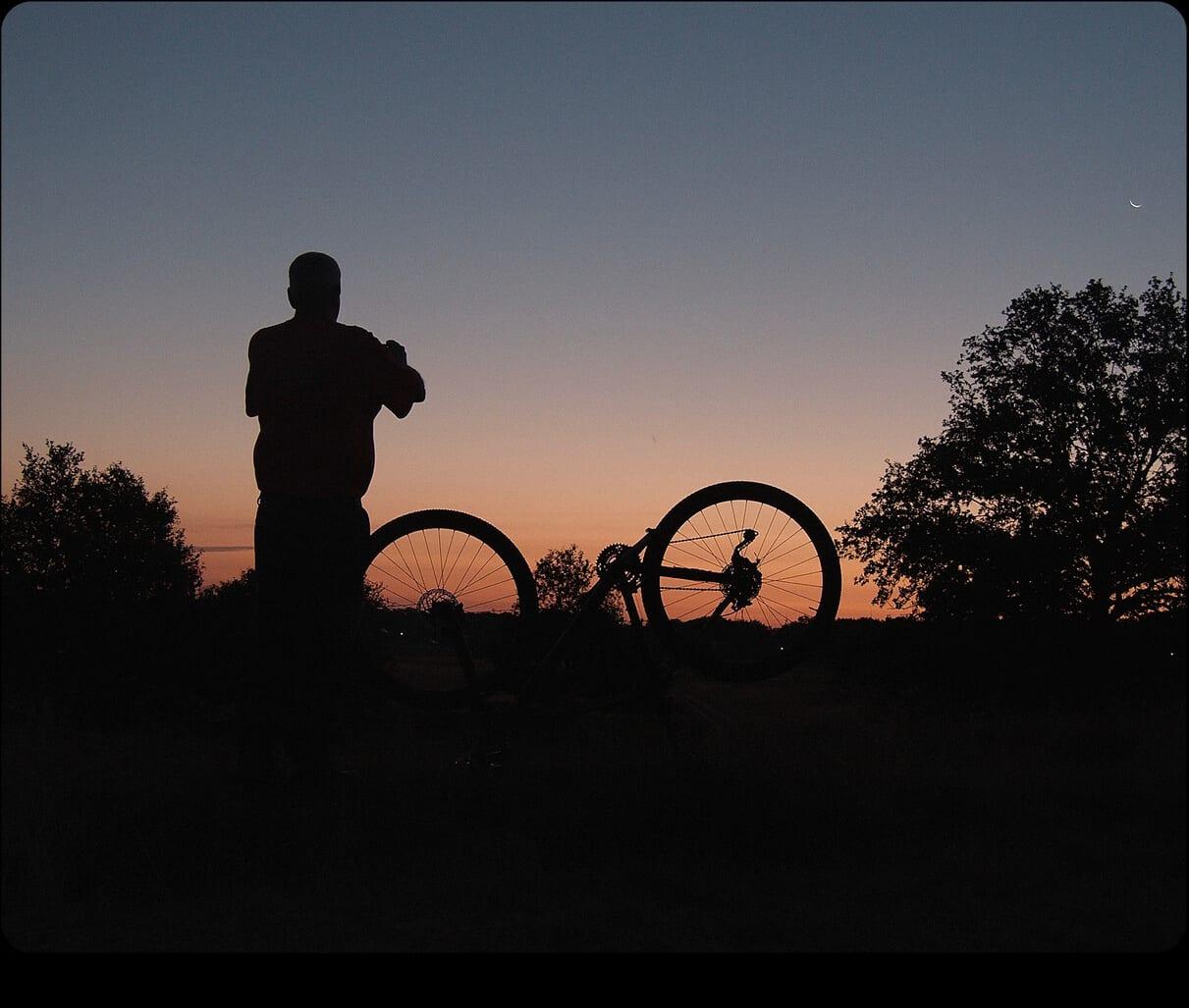
Over the Cattle Grid follows Robert, Rinke and Ytzen, who spend their days in the forest between the villages of Odoorn and Exloo. Ytzen and Rinke live deep in the woods; Robert cycles through every day on his way to work. For all three, the world beyond the cattle grid is fundamentally different: stillness, vastness, and a forest where, as Ytzen puts it, “there is no time, there is just being.” The forest keeps changing, day by day. The film also features Wietse de Haan and Evert Prummel, who craft instruments from dead trees. All the music was performed on them and recorded in the forest itself.
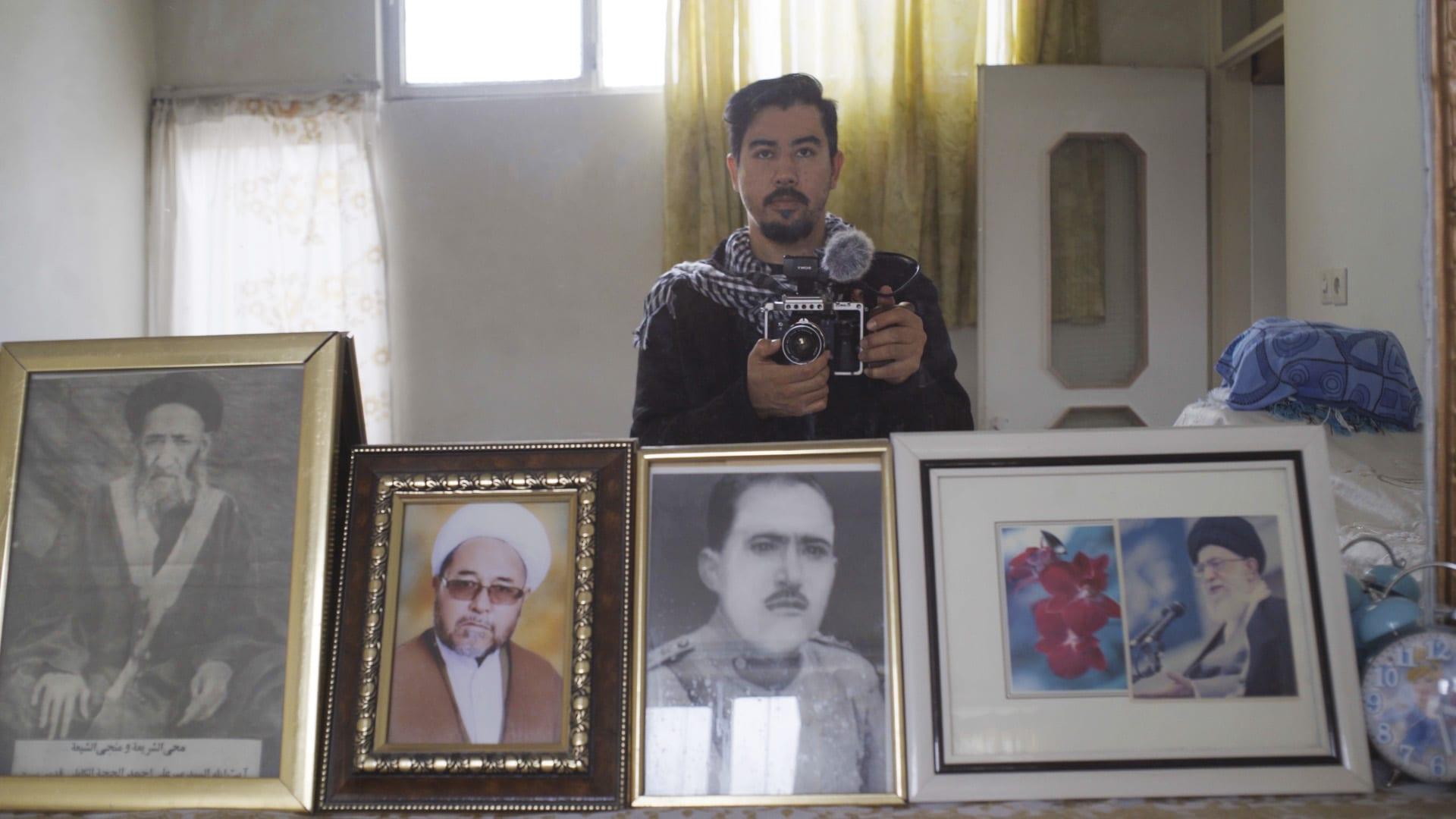
In Paikar, Dutch-Afghan director Dawood Hilmandi initiates a profound cinematic confrontation with his estranged father—a former mujahideen militant who now lives as an imam, author, and poet.
Traversing a geographical continuum between the Netherlands, Iran, and Afghanistan, this intimate documentary investigates the unspoken psychological trauma and profound silences passed down through generations of conflict. By capturing this vulnerable paternal encounter, Hilmandi strips away broader geopolitical narratives to focus on a fundamental human quest for reconciliation, affection, and mutual comprehension.
While Henk and Froukje's remote farm is being demolished and rebuilt, the couple tries to hold on to their rhythmic way of life with their animals. In a remote farmhouse in the Groningen countryside, Henk and Froukje live among their ornamental geese and other animals. Their days follow the rhythm of the farmyard and the surrounding meadows. When their house is damaged by earthquakes caused by gas extraction, the house must be demolished and rebuilt. As modernization draws closer, Henk tries to hold on to the life he knows: among the animals and in the farmyard where everything once seemed self-evident. What happens to Henk’s way of life when his home changes drastically?
This documentary shows the human impact of music therapy in the highly medicalized neonatal intensive care unit of the UMCG. Specialized therapists use live acoustic music to lower the heart rates of vulnerable premature babies, helping them relax and protecting their early brain development. The film follows two families: the parents of Laure, born at just 25 weeks, who describe an intimate, peaceful bubble amid the hospital machinery, and the parents of twins Noor and Noël, who lose Noor and receive a personal ‘heart song’ built from her recorded heartbeat. Music therapy is both a medical intervention and an emotional anchor.
When Adelise gets trapped in limbo, a way out seems far in sight. Can she defeat the lurking monster and escape, or is she doomed to stay here forever?
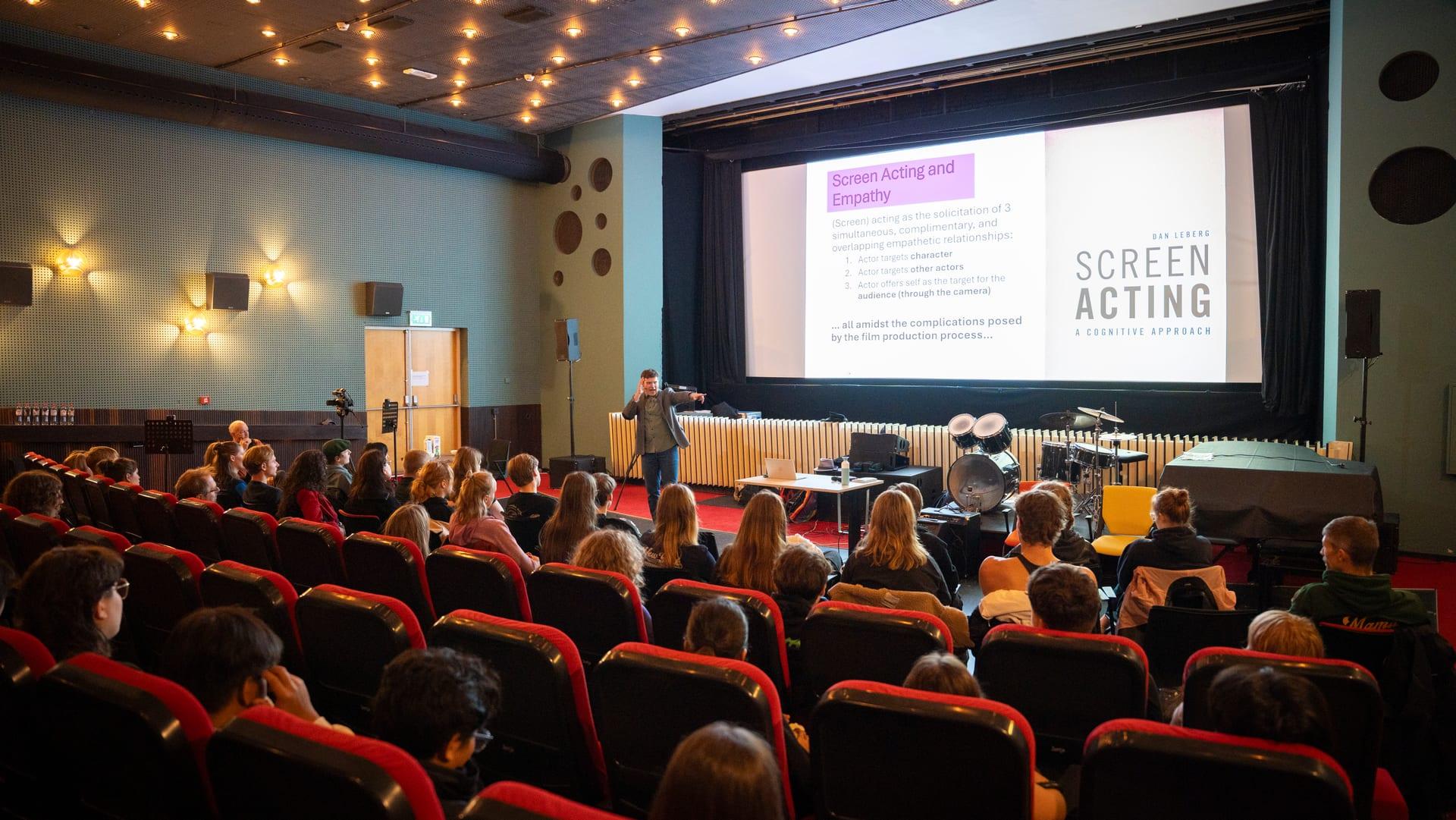
This workshop explores screen acting through theory and practice. Dr. Dan Leberg will introduce the role of empathy in acting, followed by live demonstrations and scene studies led by Roel Twijnstra and Dan. Selected actors will perform prepared scenes, offering participants insight into acting for the camera.
This experimental, black-and-white short uses a melancholic film noir aesthetic to deliver a philosophical critique of modern visual culture and the constant drive for visibility. A solitary woman with a suitcase wanders through anonymized spaces such as train stations, empty rooms and lecture halls, while a poetic voice-over reflects on the loss of authenticity. The narrator argues that the great catastrophe of modern life is the excess of ‘visibility’, which differs from the genuine recognition of ‘being seen’. The protagonist struggles with her own complicity, leading to the film's piercing final question: “Do you see me now?”
Bosnia and Herzegovina, April 1992. The Bosnian Amir, Nada and their daughter Lejla are friended with their Bosnian Serb neighbors. But as ethnic tensions in the country are rising and cause a conflict between the two families, everything changes; the war that once felt so far away, suddenly comes very close.
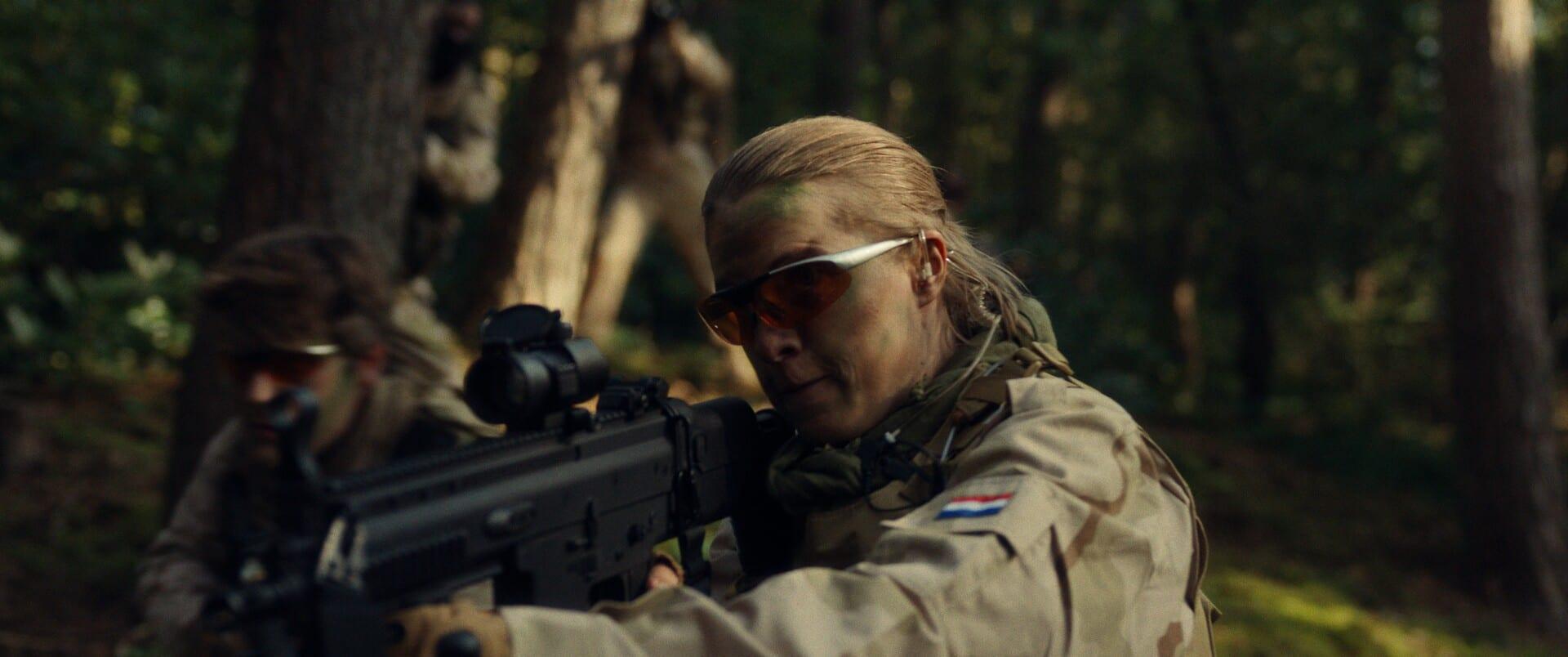
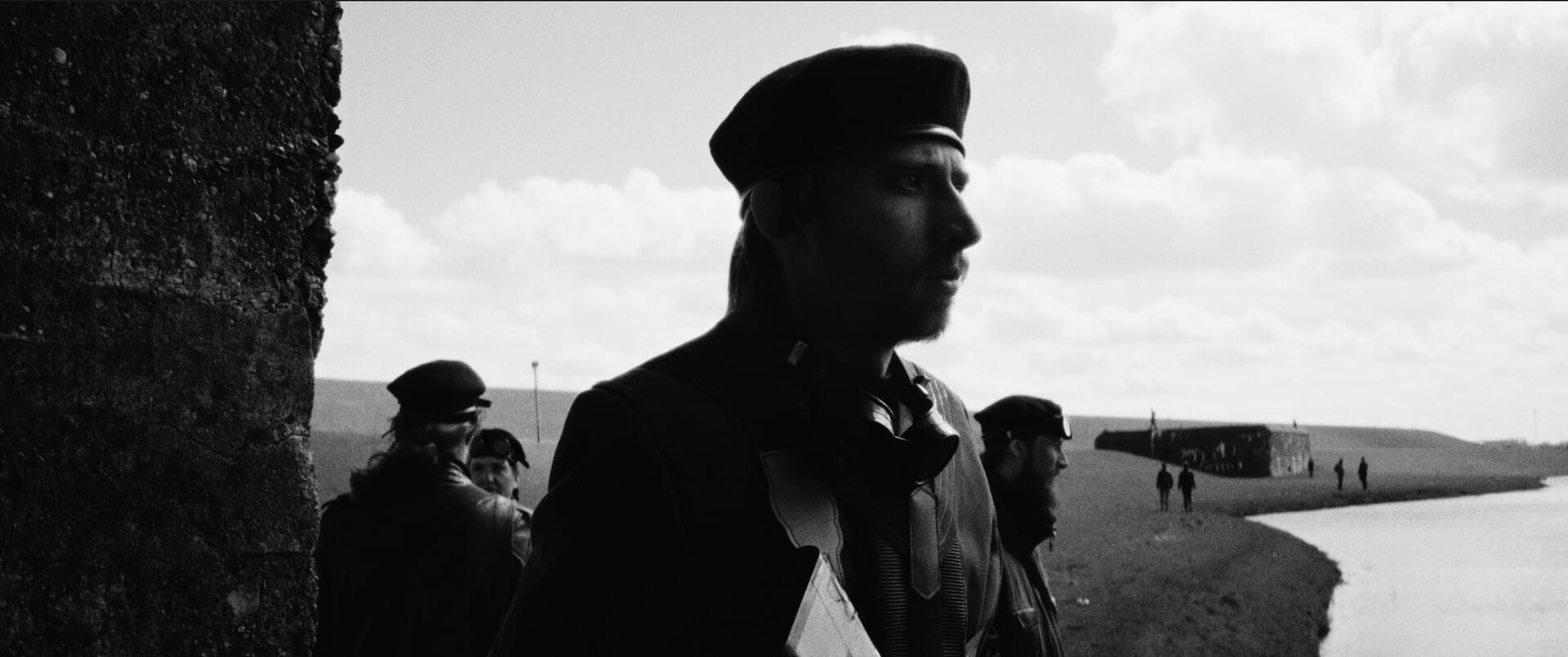
In a world drained of color, Sergeant Boone and his unit are sent beyond the border to hunt down a group of deserters. As the four soldiers move deeper into the forbidden wasteland, rumours of the old world awaken dangerous longings within them. Caught between duty and desire, they must decide whether to follow the orders that define their world — or risk everything for the chance to see color for the first time.
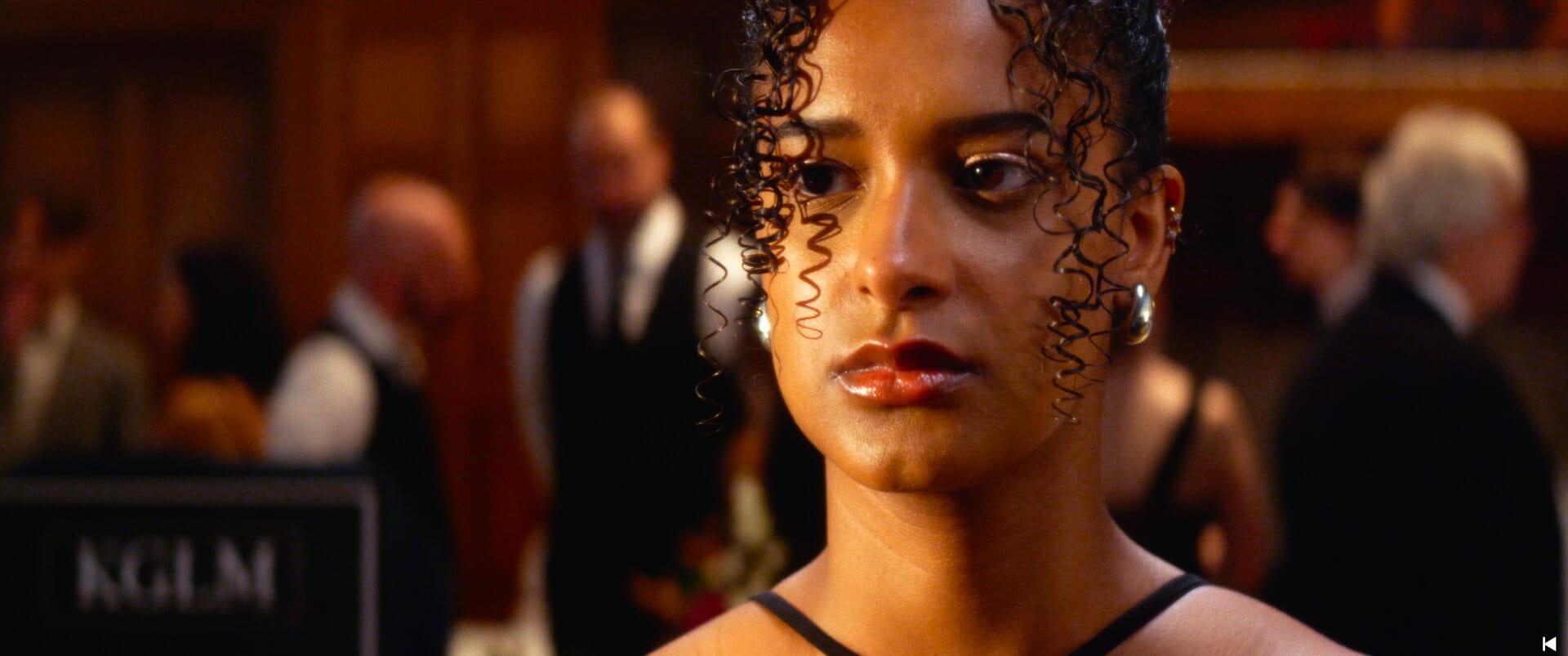
Trapped in a sterile marriage to a rising executive at the auditing giant KGLM, Jamila begins a secret online relationship with a stranger at her husband’s company. As their exchanges grow increasingly intimate, both confront the loneliness and status games underpinning life inside the corporate elite.
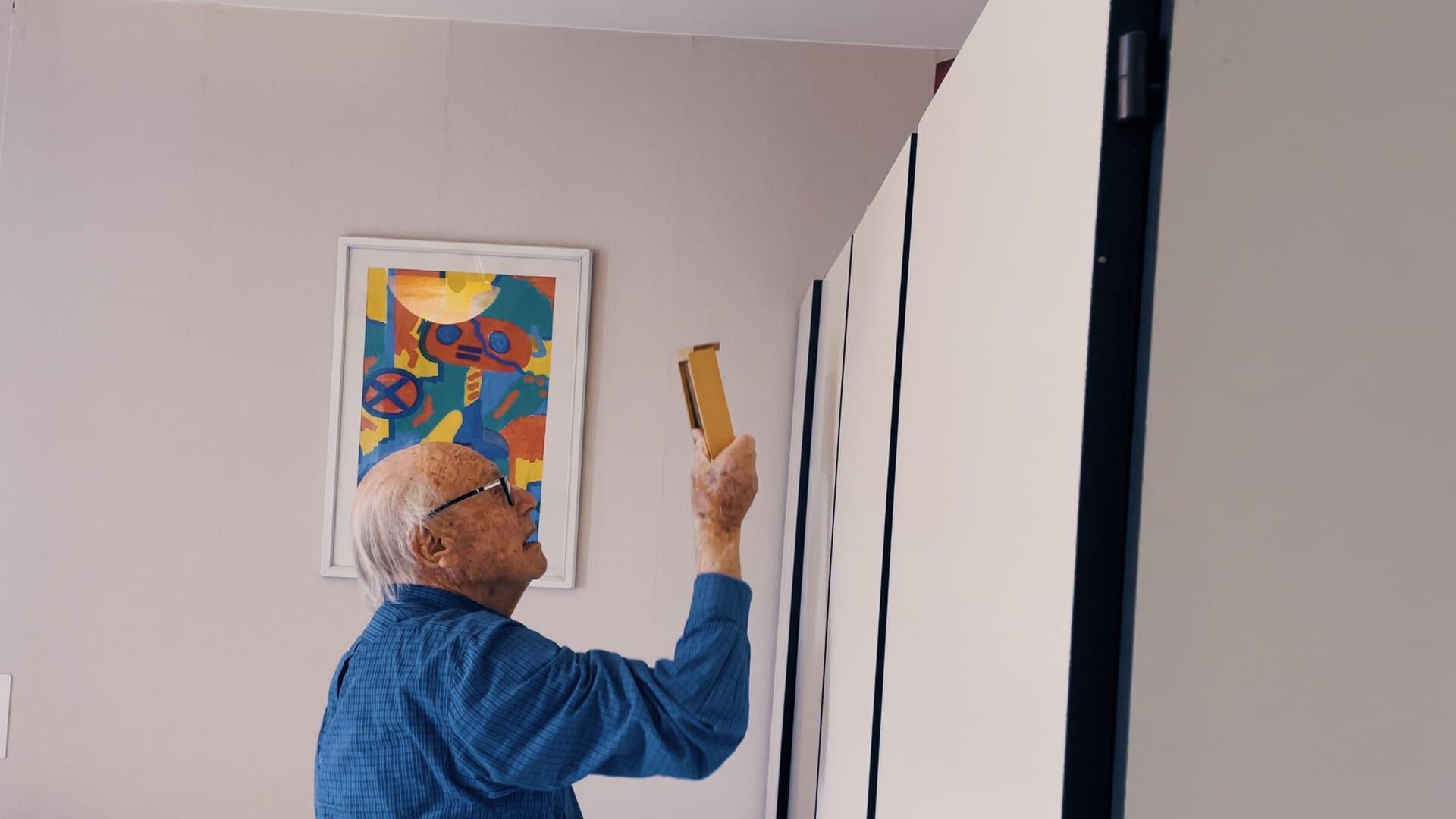
At 100, Herman longs to let go, but his body holds on. The filmmaker begins: “I heard you don’t like life much anymore…” What follows is an intimate portrait of a granddaughter and her grandfather in their final conversation.
When a small-time dealer decides to “change” the drug world, his dream of giving his family a better future drives him deeper and deeper into the depths, until he discovers that even the best marketing doesn’t sell the truth.
When Finn, a boy from a small village, sees his best friend in drag at a party, his world turns upside down. Drawn into an unfamiliar queer nightlife, he begins leading a double life that slowly starts to collapse back into one. Along the way, he must confront not only his feelings towards his friend, but also towards himself.
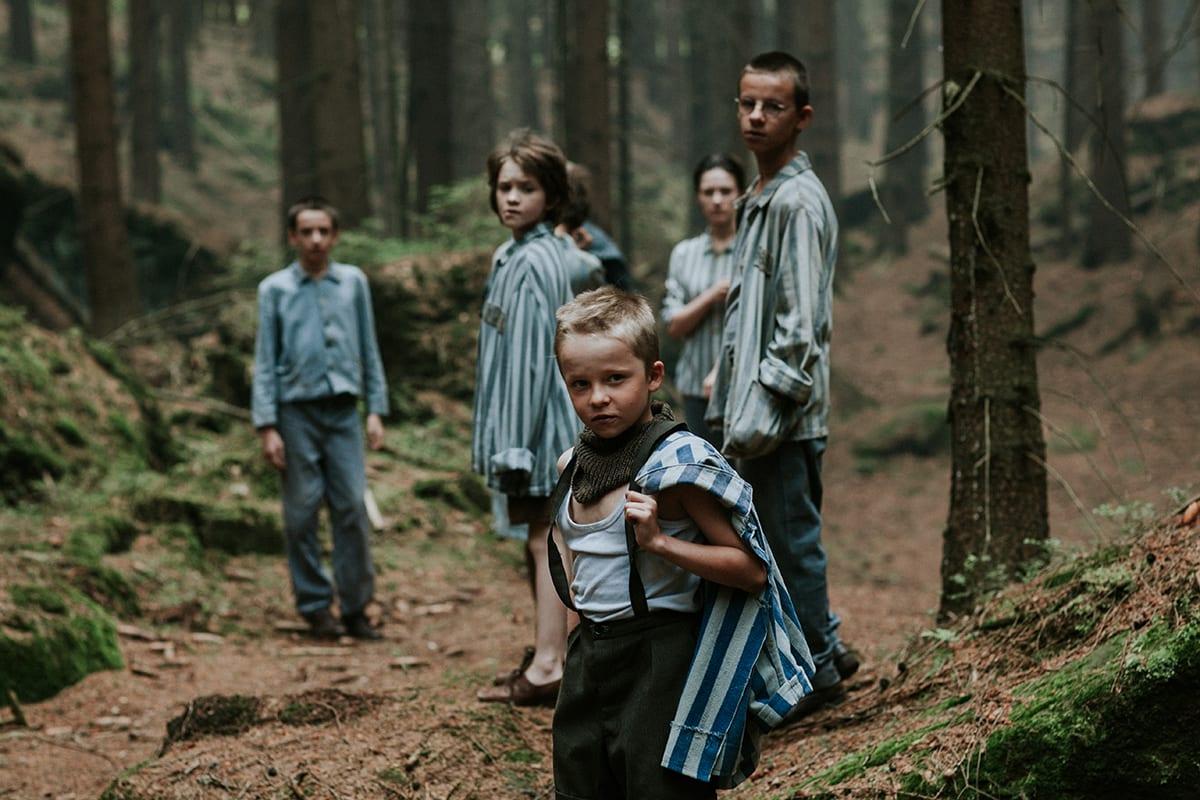
In the summer of 1945, right after the end of World War II, eight children are liberated from the Gross-Rosen concentration camp. Russian soldiers transfer them to a temporary, isolated orphanage set inside an abandoned, decaying mansion deep in a forest.
The Allesz Cannes Film Festival came about when two friends reached out to creative people within their network to see who might be interested in making a film or submitting a commercial, with the goal of putting together a DIY film night. This ultimately resulted in seven films, nine advertisements, and a sold-out cinema screening.
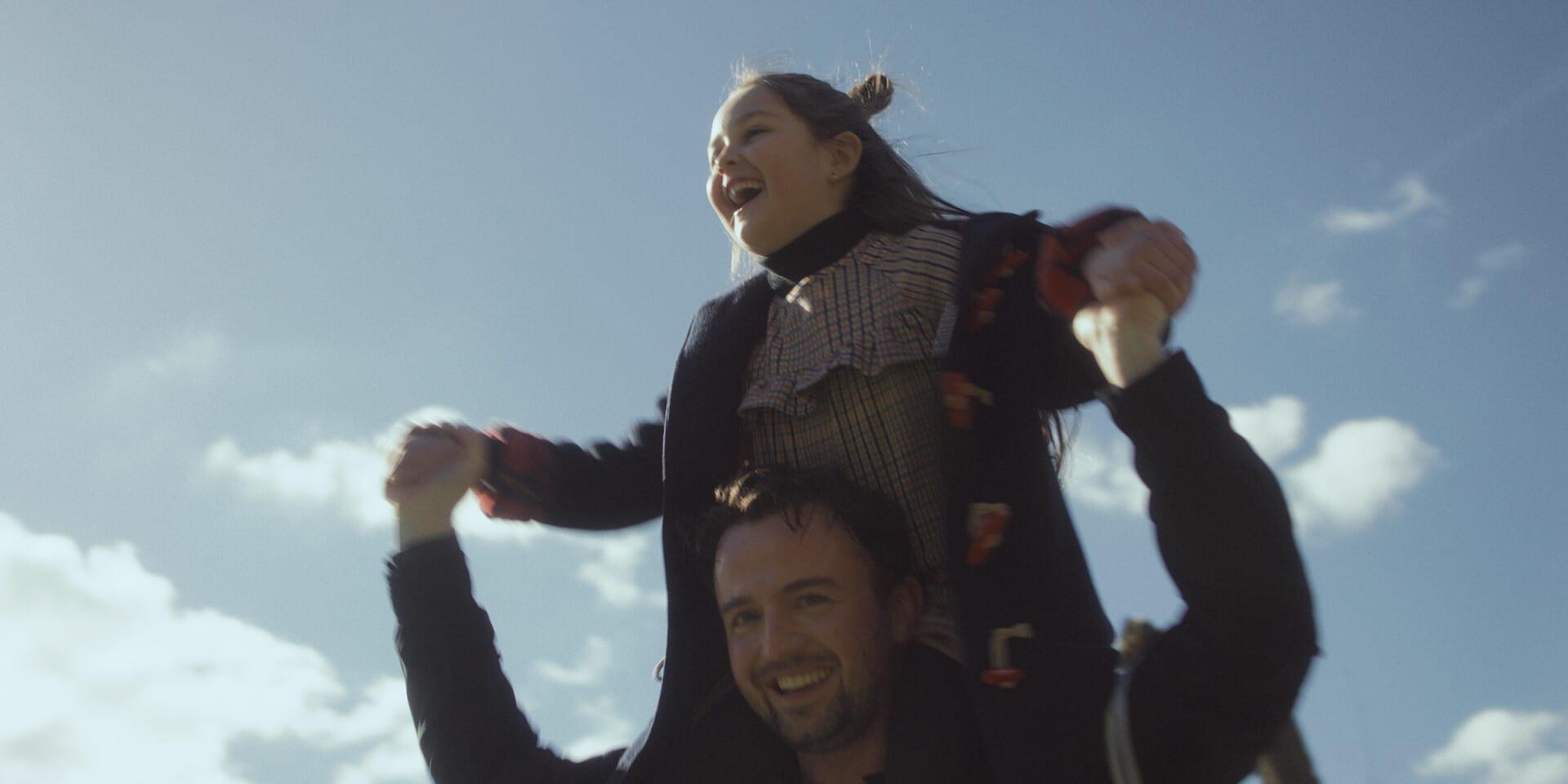
An estranged father and daughter climb Yr Wyddfa together. Along the way, it becomes clear why they haven't talked to each other for so long and which occasion brings them together today. Is their love strong enough to overcome old pain?